
When Sparks and Scores Collide: Questions to Align Explosion‑Proof Lighting with Project Needs
Opening: the dissonance that procurement must resolve
Projects hum like a band tuning before a show: timelines, budgets and site realities all trying to find the same tempo. When lighting specified for hazardous spaces enters the mix, procurement teams often face a solo they didn’t rehearse — opaque lead times, vague documentation, and a chorus of technical questions that need a single, clear voice. Buyers should talk with trusted explosion proof lighting manufacturers early, framing concerns as questions so engineers and vendors can supply the facts project owners actually need.
Problem-driven checklist: what buyers must ask suppliers and engineers
Will you provide the specific documentation we can attach to the contract to show product conformance and traceability? What does your typical lead time look like for projects of this scale, and how do you manage delays? How are changes handled when the project scope or site conditions shift after procurement begins? What are the warranty and after-sales support terms, and how will spare parts be sourced over the project lifecycle? Can you outline the process for producing final documentation, and who signs what when the equipment is delivered and accepted?
Stakeholder coordination: who keeps the beat and how do they communicate
Which party owns final acceptance and the accompanying documentation: the owner, the engineer of record, or the installing contractor? How will procurement milestones be coordinated with design milestones so ordering aligns with project reviews? How are communication channels set up between the supplier’s commercial team and the project manager to resolve questions that affect cost or schedule? What escalation path will be used if there’s a disagreement over specifications, lead time, or delivery logistics?
Sourcing options and market checks
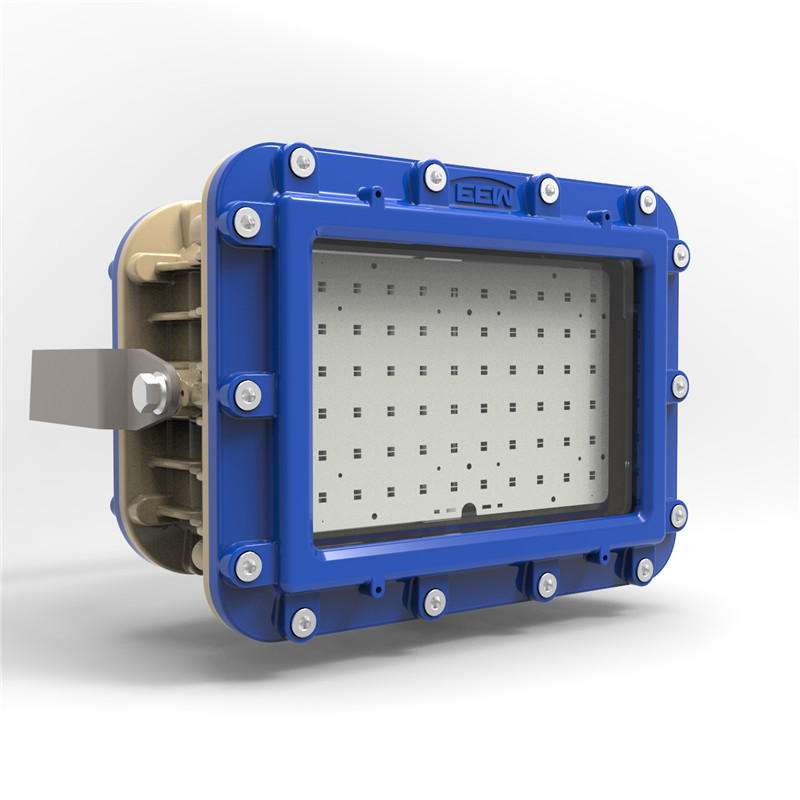
Are we comparing like-for-like proposals across multiple vendors or mixing different scopes that hide extra costs? What references can each supplier provide for similar projects, and can they supply recent lead-time examples? Should we request commercial terms that list inclusion of spares, documentation delivery commitments, and defined delivery milestones? Where a visual or sample confirmation helps, what is the vendor’s process for that request, and how does it affect timing and cost when working with established explosion proof flood light manufacturers?
Common procurement pitfalls to avoid
Leaving technical assumptions implicit. Bidding without clear, contract-ready documentation. Engaging suppliers too late in the schedule. Accepting quotes that omit lifecycle support or realistic lead times. Overlooking spare-part logistics or failing to lock down who pays for expedited delivery when timelines slip. These are the missteps that create last‑minute scramble and add unforeseen cost.
Documentation and decision traceability
Specify the documents you’ll require before purchase orders are issued: commercial terms that reference delivery milestones, a list of documents expected at delivery, and a clear record of who approves deviations. Capture decisions in writing when substitutions or change orders occur, and define who authorizes technical clarifications so accountability is visible across design, procurement and site teams.
Final chord: bringing clarity to the procurement score
Buyers who frame procurement as a series of concrete questions—about documentation, timelines, change control, and responsibilities—turn a messy jam into a rehearsed performance. When everyone knows which documents, approvals and communications will mark progress, coordination becomes a practice, not a scramble; that clarity is exactly what vendors like sunleem can offer to projects seeking steady, documented collaboration rather than last‑minute improvisation.