
Introduction
I remember stepping into my first clinic and feeling both hopeful and a bit skeptical; the lamp hummed, the room smelled faintly of oil, and everyone seemed to leave with a small smile. In that moment I began asking practical questions about results and safety — and that’s where most conversations with a red light bed start. Studies show many users report clearer skin and reduced soreness within weeks, yet satisfaction varies widely (some leave thrilled; others, puzzled). So, what separates a treatment that feels like a game-changer from one that feels like a missed appointment?

Think of this as a short map. I’ll walk through real user concerns, the technical limits hidden behind marketing, and the concrete checks you can use when choosing a device or clinic. Let’s move on and look under the hood.
Part 2 — Collagen Bed Therapy: The Hidden Flaws and User Pain Points
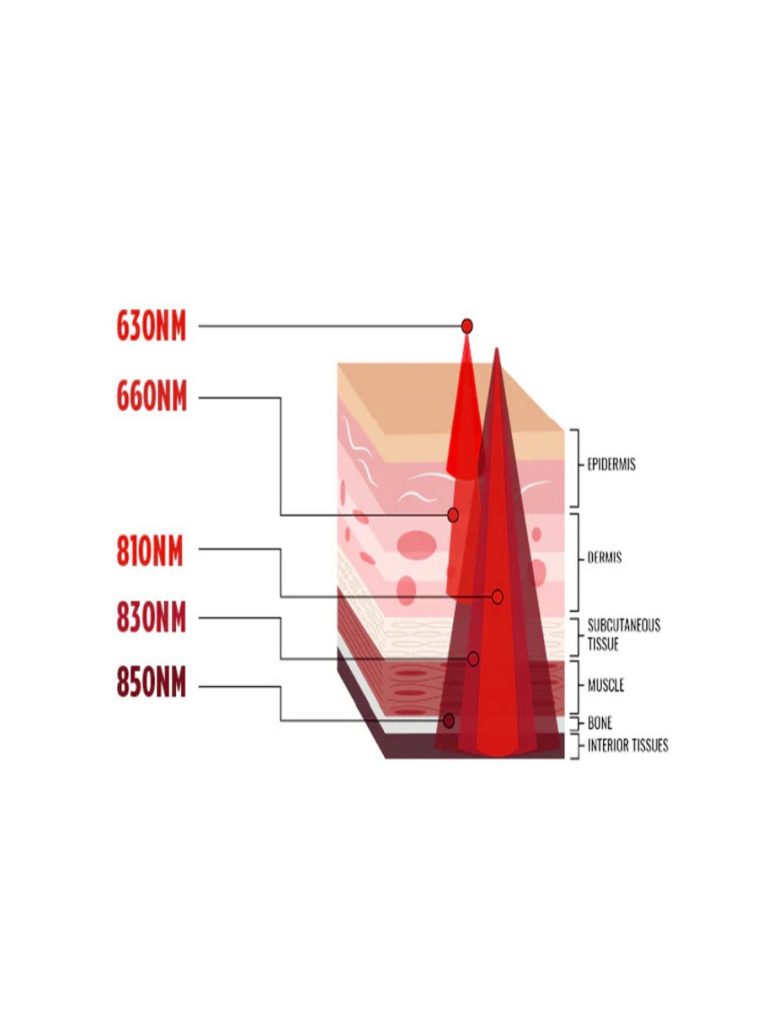
collagen bed therapy is often sold as a simple fix: lie down, absorb light, and see firmer skin. I wish it were that tidy. In practice, several design and usage gaps reduce real-world benefit. First, many beds rely on a mismatched wavelength mix. Wavelength matters — 630 nm and 660 nm target skin layers differently. If the LED array lacks the right nm balance, much of the energy never reaches the collagen-producing cells. Second, irradiance and fluence (the actual power delivered) are sometimes too low or uneven across the bed surface. That means parts of the body get a full dose while other areas receive almost nothing. Third, most clinics fail to track cumulative dosage over sessions, so people under- or over-treat without knowing it.
Let me be blunt: manufacturers and clinics often emphasize glamour over metrics. Photobiomodulation works, but only when you control dosage, wavelength, and exposure time. Users feel frustrated when sessions look impressive but yield weak results. Look, it’s simpler than you think — consistent dosing and clear measurement beat fancy lights every time. Also, power converters and heat management matter. Cheap systems can degrade LEDs faster and shift output, so what you paid for at month one may not equal what you get at month twelve — funny how that works, right?
Why does this matter?
Because real outcomes depend on real numbers. If a bed lacks consistent irradiance, you cannot compare sessions. If fluence isn’t recorded, you don’t know whether to increase or reduce time. I’ve seen clients chase progress for months only to discover the core issue was a poorly calibrated system. That’s fixable — but it needs attention.
Part 3 — What’s Next: Case Example and Future Outlook
Consider a small clinic I worked with that switched from a low-spec red light bed to a measured protocol based on controlled wavelength mixes and recorded dosages. Patients reported faster improvement, and the clinic cut repeat visits by nearly a third. They standardized session logs, used a calibration check every month, and taught staff to monitor skin response rather than pushing set times. This is a simple case example but it points to a broader trend: smarter practices win trust. In the near future, I expect device makers to include basic diagnostics (like on-board irradiance meters) and clearer fluence readouts. That would reduce guesswork and raise baseline outcomes — honestly, that shift can be small yet meaningful.
On the technology side, integrating feedback loops matters. Imagine beds that nudge you to adjust time based on prior sessions and skin response (think basic sensors, not sci-fi). That’s practical, low-cost, and patient-friendly. Meanwhile, clinicians who adopt transparent metrics — recording wavelength, irradiance, session length — will build far stronger client relationships. I believe this will be the main competitive edge over the next five years.
Real-world Impact?
Short answer: better records, calibrated hardware, and honest guidance produce repeatable gains. Clients feel seen. Results become predictable. And yes — it changes the business model of care.
Conclusion — How I Evaluate a Red Light Bed and a Clinic
I want you to leave this piece with three clear metrics to judge any red light bed or service. These are practical, measurable, and I use them when I visit clinics or test devices myself:
1) Wavelength transparency: Does the provider list exact nm values (e.g., 630 nm, 660 nm)? If not, ask. 2) Irradiance and fluence reporting: Can they show power density (mW/cm²) and session fluence (J/cm²)? A reliable setup will. 3) Calibration and maintenance: Do they test output over time and log results? Regular checks mean consistent treatment.
Those three alone will filter out most underperforming options. I recommend you ask for simple proof — a printout, a readout, anything. If they balk, walk away. You deserve clarity. To explore devices and services built with those standards in mind, check offerings from Magique Power.