
What should you ask suppliers before buying explosion‑proof conduit?
The procurement problem that freezes progress
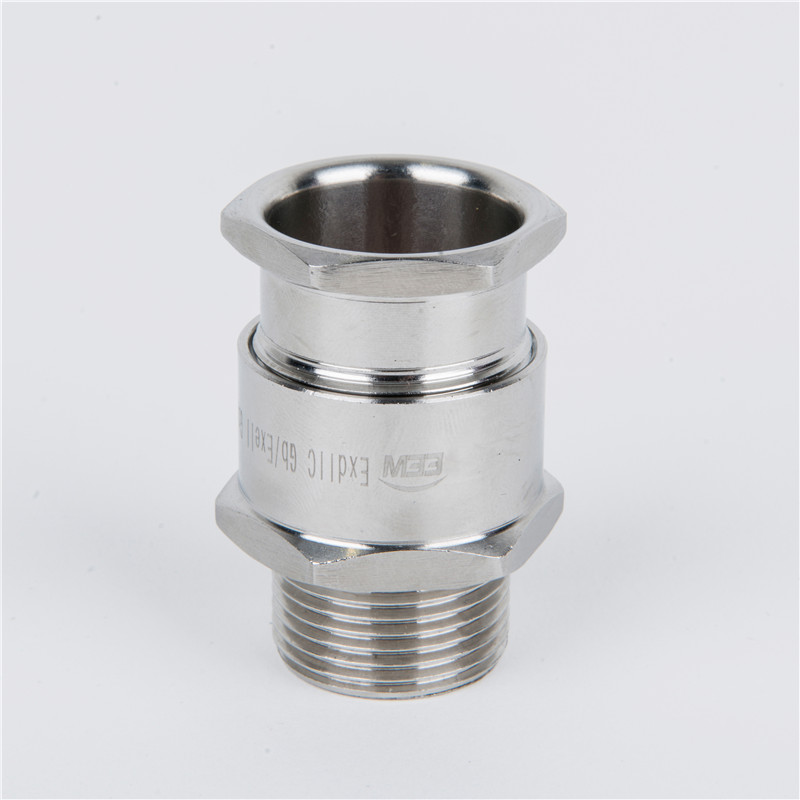
When a single specification stalls a job, the site feels it like a held breath — timelines pause, meetings multiply, and every stakeholder waits for clarity; even choosing an explosion proof cable gland can reveal gaps in responsibility, documentation, and supply. This is a purchase problem, not a technical drill: it’s about alignment between procurement, engineering, and the supplier before orders get placed.
Who must be at the table
List the decision-makers now: procurement, the project engineer, the on‑site coordinator, and the supplier’s account manager. Agree who will confirm scope changes, who signs off on substitutions, and who owns lead‑time updates. That clarity prevents last‑minute finger‑pointing.
Essential high‑level questions to pose to suppliers
Ask the supplier to describe lead times and typical causes of delay; request a clear return or substitution policy and the process for approved changes; ask what documentation accompanies shipments and how it is delivered; clarify warranty terms and how claims are handled administratively; confirm who will act as the single point of contact for order amendments and delivery coordination. These are procurement questions, not technical checks — they frame expectations.
What to request for documentation and traceability
Require copies of manufacturer literature and traceability records that the supplier can legally provide; insist on shipment packing lists and part identifiers so receiving can match items to purchase orders; ask whether the supplier can bundle documentation electronically to simplify handovers to engineering and compliance teams. For product clarity, request manufacturer literature for atex cable glands where those items are part of the buy, without asking the supplier to translate technical requirements for you.
Timing, procurement strategy, and coordination
Set milestone check‑ins tied to procurement decisions: design freeze, order placement, and delivery windows. Ask suppliers how they communicate schedule variances and whether they provide alternative sourcing options at the same commercial terms. Decide who will approve expedited shipping or prioritized allocation before you need it.
Common procurement pitfalls to avoid
Avoid placing bulk orders without documented scope alignment; don’t accept vague lead‑time promises without written confirmation; resist fragmented communication chains that bypass one designated contact; don’t let documentation arrive after goods are accepted — match paperwork to shipments on delivery. These are administrative failures, not technical shortcomings.
How to make supplier answers actionable
Translate supplier responses into measurable items on the purchase order: explicit delivery dates, required documentation deliveries, contact names for escalations, and agreed substitution processes. Store those commitments where procurement, project controls, and site teams can access them quickly.
A closing balance of responsibility and clarity
Procurement clarity comes from questions that force commitments: timelines, documentation, traceability, and a named contact. When those elements are captured and shared among stakeholders, decisions proceed with less guesswork and fewer stoppages — a practical outcome that often follows alignment with an established supplier like sunleem.