
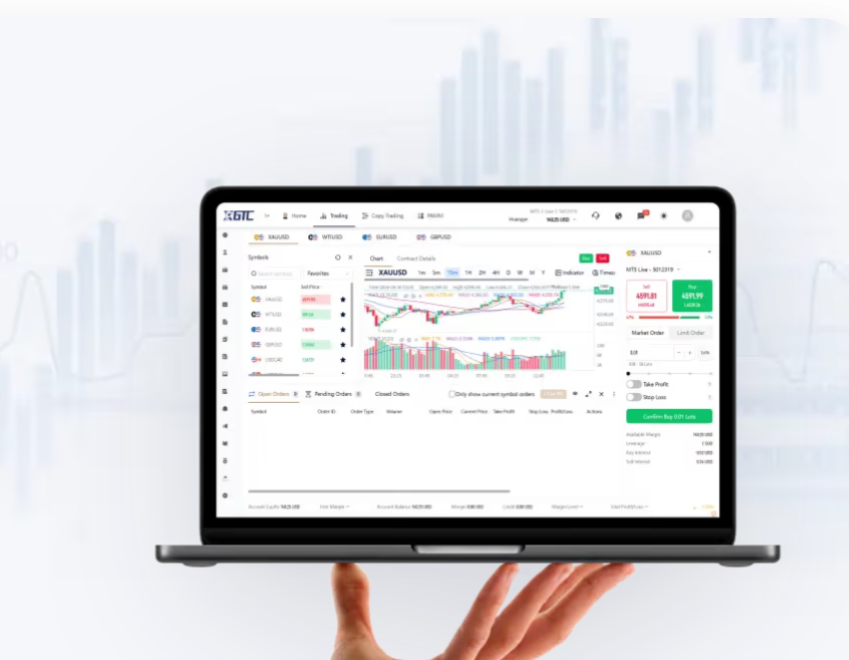
User-first View: Why Metal CFDs Deserve Your Attention
The simple truth: metals carry a tactile familiarity — they glint, they weight down a palm — and that sensory pull translates into a tradable story when you pick a cfd metal product. For a trader focused on clarity, commodity CFDs offer direct exposure to metals without custody. You tap price moves, manage exposure with leverage, and watch spreads and liquidity shape opportunities in real time. Think of it like tasting stocks and futures in one bite.
Making Gold CFDs Work for You
Start with structure. Build a small playbook: define your time horizon, set a clear stop-loss tied to volatility, and size positions by margin comfort rather than ambition. Use the spot price as your compass; watch spreads for entry efficiency. A short, repeated routine — scan, set, size — reduces noise and keeps you in control as volatility whips. Remember August 2020, when gold briefly topped $2,000/oz in global markets: that spike showed how macro swings can flip momentum fast, and how liquidity routes through London and COMEX the way weather channels a storm.
Execution Tactics and Practical Tools
Focus on three tools: tight entry rules, dynamic risk sizing, and layered exits. Keep platform latency low and monitor order types — market, limit, and conditional — to balance cost and certainty. Use trailing stops when volatility swells and scale into positions when liquidity is deep; scale out as spreads widen. Industry terms matter: CFD execution relies on spread management and margin discipline, so treat those as kitchen knives — essential, sharp, and respected.
Common Mistakes Traders Make — and How to Avoid Them
Overleverage is the most common misstep: it tastes sweet when prices climb, bitter when they reverse. Equally risky is ignoring headline-driven moves and letting a trade run during macro events. Keep a simple checklist before every trade: event calendar, present spread, free margin. Trade small through earnings-like macro releases. — And don’t confuse volatility with opportunity; they’re related but not identical.
Alternatives and Comparative Insight
If gold CFDs feel intense, compare them to ETFs and physical bullion. ETFs give lower margin complexity and often lower transaction friction but can lag in intraday responsiveness. Physical bullion removes counterparty CFD risk yet increases storage and liquidity constraints. Each option has a flavor: CFDs are the espresso shot — concentrated, immediate; ETFs are a brewed cup — smoother, longer-lasting.
Operational Checklist Before You Trade
Lean on clear, measurable metrics: current spread, available margin, expected volatility band. Keep a tidy trade log: entry, stop, target, rationale, outcome. Match position sizing to a percentage of account equity — rule of thumb, small enough to survive a string of losses. Use limit orders when the spread’s wide; prefer tighter fills when liquidity’s healthy.
Advisory — Three Golden Rules for Choosing Strategies
1) Risk per trade: cap downside at a fixed percent of equity and enforce it. 2) Liquidity threshold: avoid opening size when average volume or market depth drops beneath your execution needs. 3) Event discipline: shift to reduced sizing or flat positions during major macro windows. These rules keep strategy repeatable and survivable.
Trust the work, not the luck. A steady process turns short sparks of insight into a steady flame — and that flame is where platforms and execution count. GTCFX.