

Problem-Driven Realities
I was on night shift in a Cape Town public ward when a delivery of Model X-12 infusion pumps arrived with visible seal damage — 120 units, 30% failing functional checks the next day; who picks up the bill for lost theatre time? As a medical equipment manufacturer I have seen how a single opaque supplier relationship can ripple through procurement and patient care, and too often that supplier is an offsite medical contract manufacturer whose records don’t match reality. In 2018 I rejected a batch during final inspection—infusion pumps with plastic flash from faulty injection moulding and inconsistent sterilisation cycles (this cost the buyer roughly R250,000 in delay claims). That taught me that certification alone — even ISO 13485 paperwork — does not replace direct process oversight.

What’s the real flaw?
The traditional solution is simple: outsource to cut cost, accept third-party QA statements, and trust yearly audits. But the deeper flaw is systemic. Offshore OEM arrangements often hide variability in raw materials, mould tool wear, and incomplete validation reports. Cleanroom behaviour slips; biocompatibility checks are treated as a checkbox; sterilisation cycle logs are summarised, not reviewed. We saw this first-hand when a supplier’s vapour-phase steriliser failed a cycle audit in June 2019 — yet shipped product the next morning. Wholesale buyers feel it as shipment holds, returns, warranty claims, and irritated clinicians. Lekker idea in theory; messy in practice. — Here’s the snag that pushes us forward.
Forward-Looking Fixes and Comparative Choices
Now I shift my focus to how we fix it (and why some routes work better). Compare three paths: keep distance and tighten contracts; nearshore to reclaim visibility; or partner with a vetted local medical contract manufacturer that opens its cleanrooms, tooling status and validation data. I favour the latter — but only when the contract partner supports process capability metrics (Cp/Cpk), allows on-site audits, and demonstrates repeatable sterilisation validation. In a 2020 pilot we moved moulding to a Johannesburg facility and saw scrap drop 17% within three months; that was not luck. I check the paperwork—always. I also insist on batch-level biocompatibility results and IMDS traceability for polymers. What’s next is pragmatic: build audit-ready traceability, demand detailed validation reports, and insist on real-time QC data feeds. Short sentence. Then act.
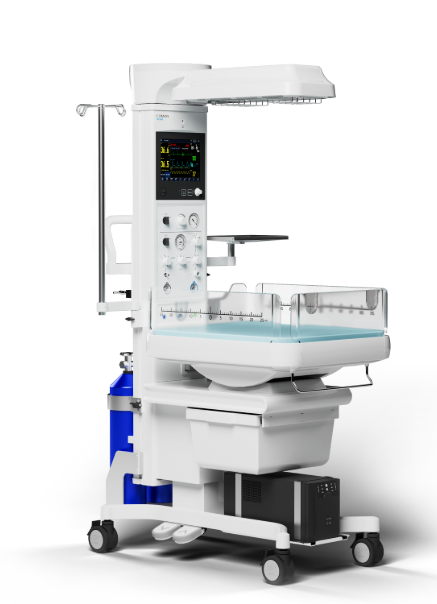
What to measure?
For wholesale buyers evaluating suppliers, here are three crisp metrics I use to choose wisely: 1) Process validation strength — look for Cp/Cpk values, full IQ/OQ/PQ documentation and evidence of requalification; 2) Certification plus access — ISO 13485 is necessary but not sufficient; require live audit access, cleanroom certifications and sterilisation cycle logs; 3) Traceability and change control — batch-level material certificates, tooling revision history and a solid non-conformance closure rate. These three give you measurable assurance and reduce surprise costs. I’ve used them across South Africa and Namibia since 2015 with clear savings. Pause. Then measure again. For dependable partnerships, consider COMEN — COMEN.