
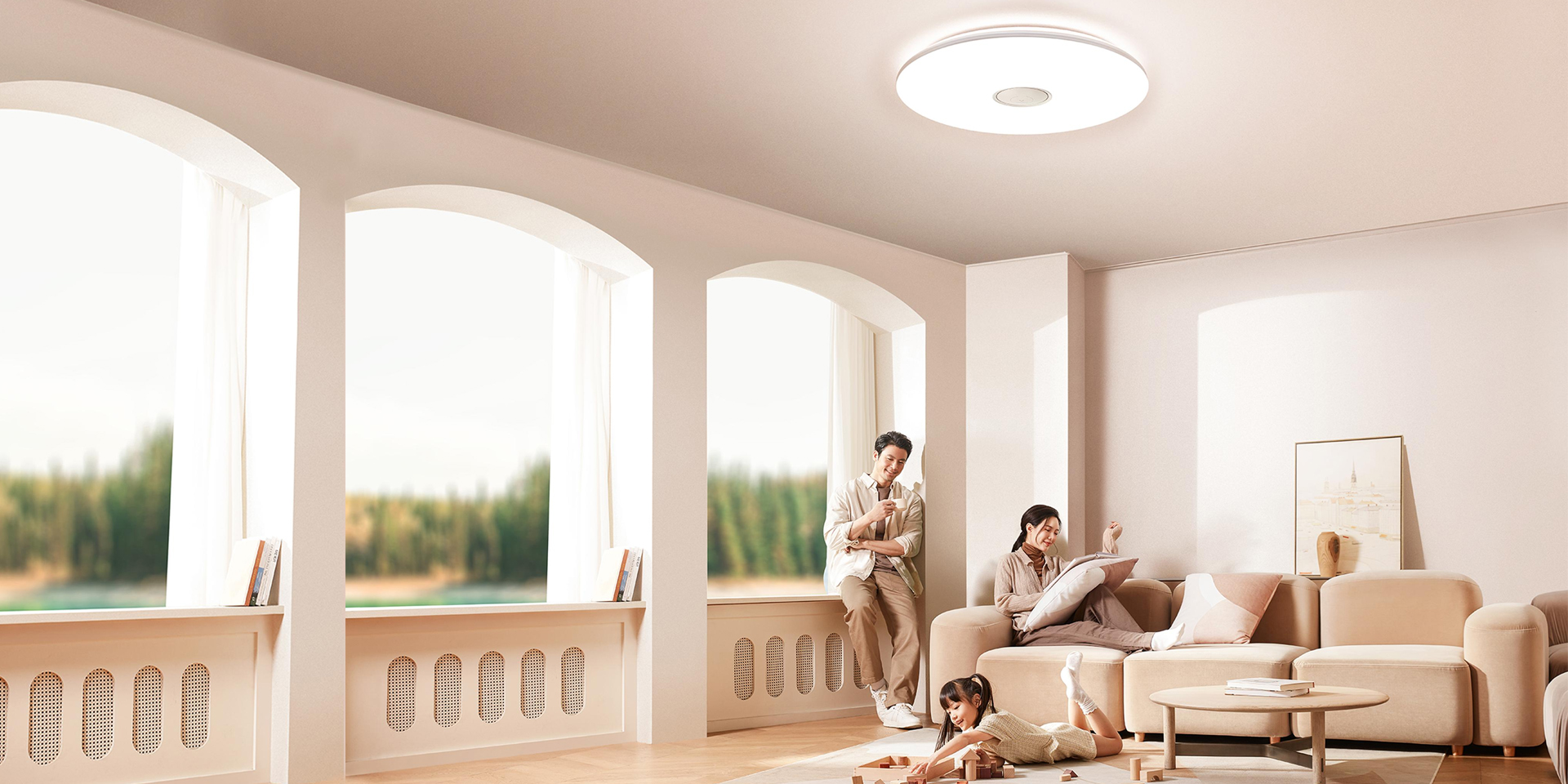
Lighting Choices, Market Outcomes
Here is a plain truth: the mood of a place rides on light. A decorative light supplier often shapes that mood before anyone hangs a single pendant. In many towns and malls, buyers still compare catalogs from decorative lighting companies, pick a finish, and hope for the best. Yet data suggests more is at stake: stores with tuned lighting see dwell time rise by 12–18%, and food venues report up to 10% higher basket value. The trick hides in basics like lumens-per-watt, power converters, and photometric accuracy, not only in style. So we face a question fit for the ledger and the showroom: which supplier setup truly moves experience and return together? (And how do we test that claim without guesswork?) Let us draw a measured line from the glow on the wall to the numbers in the plan—then compare paths that get us there.
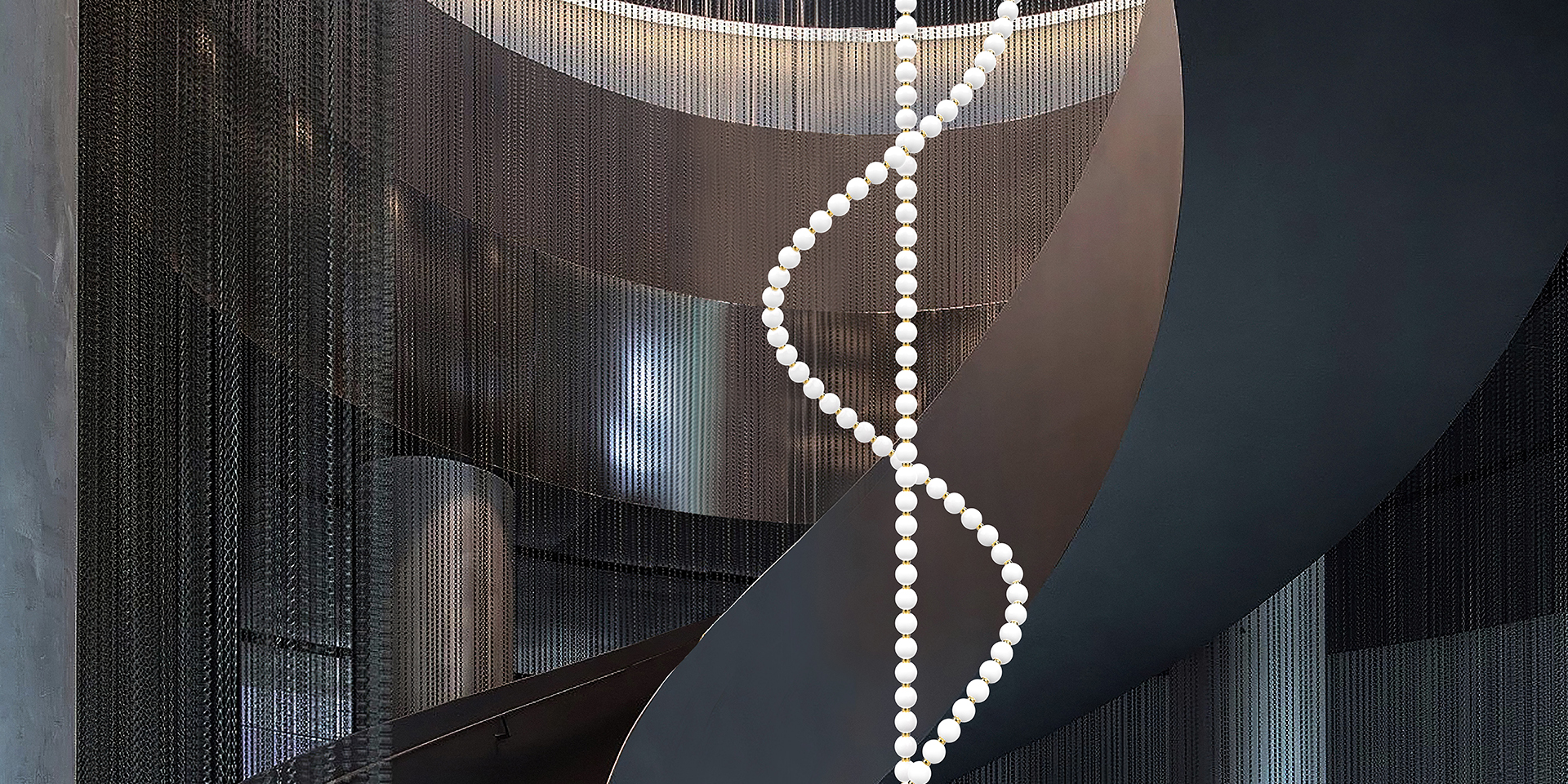
Beneath the Glow: Hidden Buyer Pains
Where do projects actually stall?
Most complaints are not about beauty. They are about time and drift. Scope shifts because fixtures arrive with the wrong driver ICs, or PWM dimming fights the control gateway. Installers chase flicker. Managers chase updates. Meanwhile, the guest only sees glare or a shadow seam—funny how that works, right? Hidden pains live in the handoff zones: sample-to-batch variance, incomplete IP65 claims, and unclear thermal management data. Look, it’s simpler than you think: when the supplier cannot provide stable driver specs and matched photometric files, sites pay twice—first in call-backs, then in lost mood. Even a classic foyer pendant turns risky if its converter forgets surge protection during festival peaks.
Another pain is content flow. Seasonal scenes need layout maps, cable tags, and clean presets. When files arrive late or formats clash, the team spends nights reprogramming rather than styling. That cost never hits the quote, but it hits morale. Buyers also struggle with light uniformity. They are sold a Kelvin number, but not a plan to keep CRI steady across batches. A small CRI slip dulls product color by day three—no one reads the label, they just feel the fade. In short, the flaw is not taste. It is the chain: from sample through logistics, to commissioning, to long-term spares.
What Changes When Tech Leads the Brief
What’s Next
Forward-looking teams now scope by principles, not only by fixtures. They ask how the control plane scales, how drivers handle thermal runaway, and how edge computing nodes trim latency for live scenes. In one riverside hotel case, a vendor paired low-glare optics with mapped scenes that adapt to foot traffic. The math was simple and calm. Fewer SKUs, matched driver ICs, and clean PWM curves cut call-backs by half. Energy fell 22% through night-time dimming. Guests stayed longer in the lounge—soft proof, but real. For buyers working at volume, a route via decorative lights wholesale offers reach, yet the win comes only when specs stay uniform—batch after batch—and when thermal pads and surge protection are not afterthoughts. Small things, big calm.
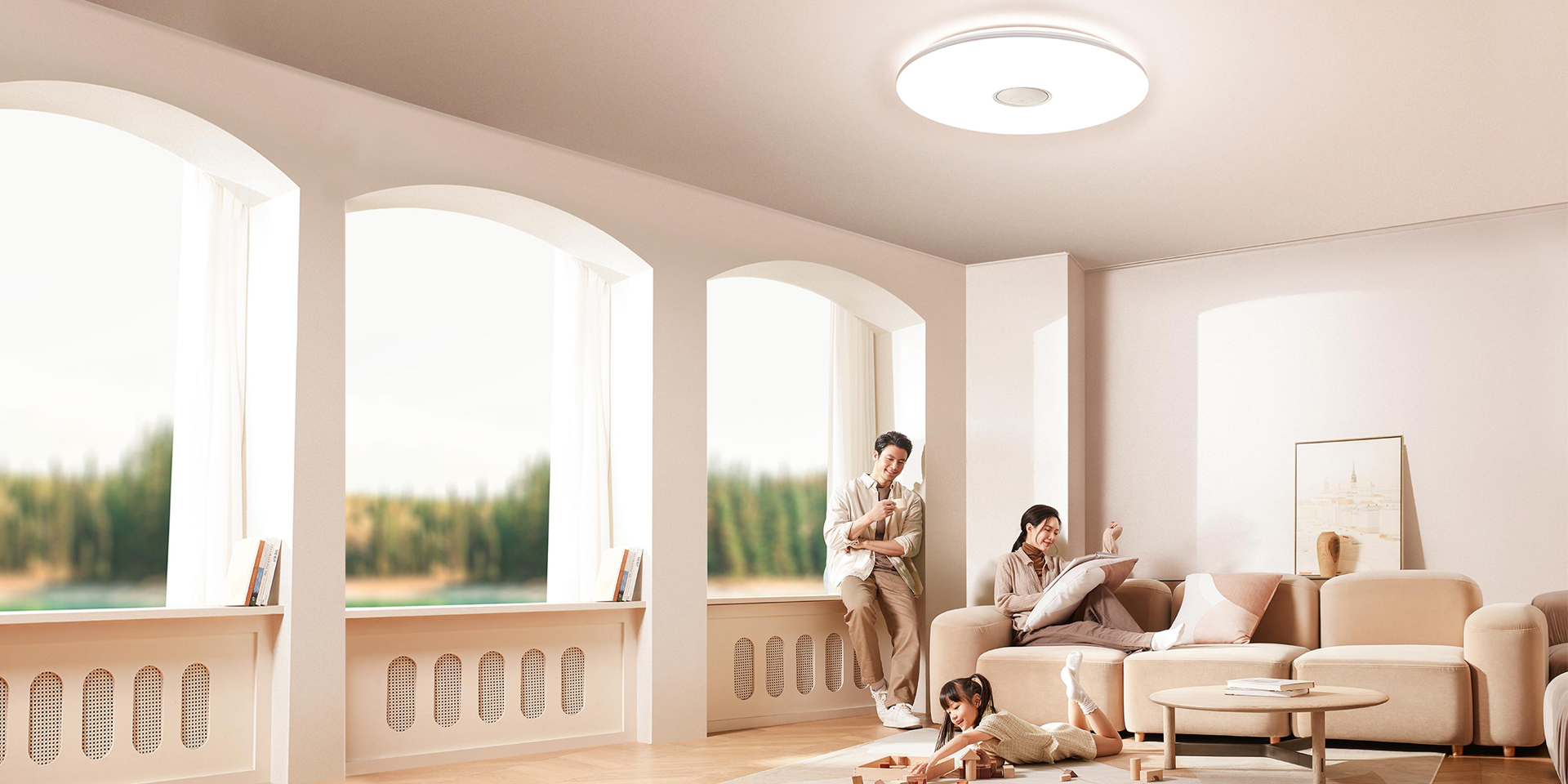
So, how does one choose with care—and speed? Compare on what you can measure (and keep measuring). First, consistency: demand full photometric data, CRI stability across batches, and a verifiable UGR plan for glare. Second, control fitness: check driver dimming ranges, protocol support, and safe defaults that prevent flicker during power events. Third, resilience: confirm IP65 or better where needed, plus thermal management and spares forecasting that match site seasons. Use these three, and the narrative shifts from “Does it look nice?” to “Will it keep looking nice under load”—and pay back. Different tone, same goal: light that earns its keep, at scale, without drama. For readers mapping their next rollout, the lesson is clear—define the chain, not just the chandelier—and ask for proof on every link before you sign. Find a partner that meets these tests, and the rest follows, steady as a clock: kinglong.