
The problem — your brand looks great in slide decks but awful on shoulders
Brands spend months on tone, color palettes and mission statements, then slap a logo on a cheap drawstring and wonder why no one flexes it on the subway. The core issue: product-first decisions get made without thinking about use, context, or consistency. If you want a single bag solution that actually adapts to daily life and campaigns, consider a modular backpack — it shows up when you need compartments, strips down when you don’t, and keeps your logo from looking like it’s stuck on with tape.
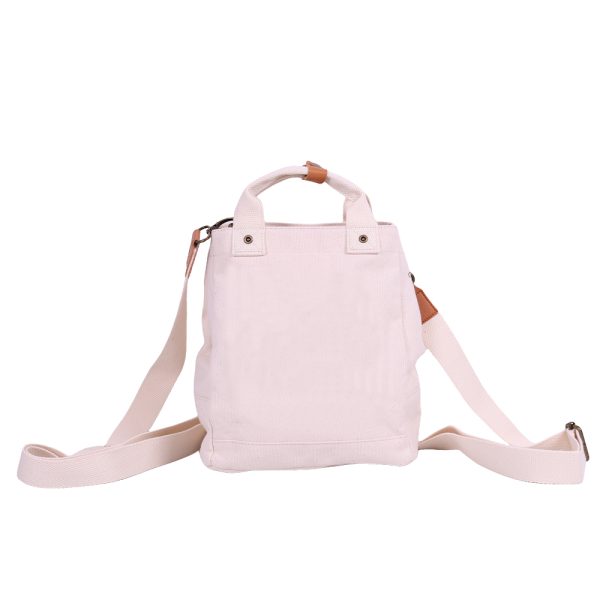
Why custom logo sports bags can solve the problem (and where they don’t)
Sports bags hit a sweet spot: broad audience, visible placement, useful features. They give logos real-world mileage during commutes, practices and events. But pick the wrong shape and you get a promotional relic—ugly, unloved, tossed under the seat. The trick: match bag type and branding treatment to how people actually use it. Heavy logo placement works on duffels for teams; subtle deboss or woven labels work better for premium commuter packs. Don’t assume “larger equals better”; large logos often clash with street style, and poor materials scream low quality no matter how clever the mark looks.
EEAT: what I’ve learned and one real-world check
I’ve evaluated fabrics, zipper specs and strap ergonomics across trade runways and production lines for over a decade. That means I know when a seam will fail, which foam density keeps a laptop safe, and why colorfastness matters after three washes. At the Outdoor Retailer trade show in Denver, buyers and designers compared convertible systems and noted the growing popularity of the 3 in 1 convertible backpack, confirming that multipurpose designs are moving from niche to mainstream. Use that market signal: test prototypes with realistic use-cases, check material specs rather than marketing blurbs, and measure returns or complaints within the first three months.
Alternatives and trade-offs — quick buyer’s reality check
Want variety? Consider three routes: single-purpose sports bags (cheap, visible), premium convertible packs (versatile, higher margin), and modular systems (scalable, logistical complexity). Single-purpose bags work for giveaways and short-term campaigns but degrade brand perception if used as cheap merch. Convertible or modular options cost more upfront and need tighter QA, but they hold brand equity longer and fit into multiple campaigns without new SKUs. Choose based on target audience, expected lifespan, and fulfillment capacity.
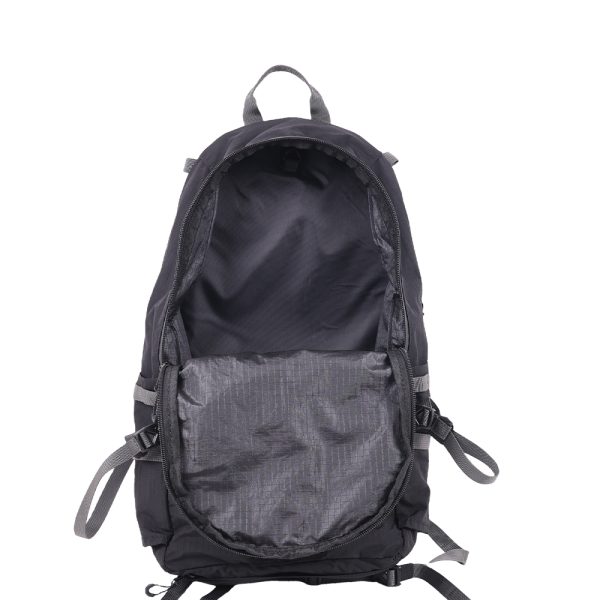
Common mistakes brands make (so you don’t)
1) Treating bags as afterthoughts: design them alongside the campaign, not after. 2) Ignoring context: a gym tote with a laptop sleeve is a mismatch. 3) Saving only on materials: zippers and straps matter more than panel printing. 4) Overbranding: too many colors and tags dilute recognition. 5) Skipping fit testing: straps that cut in or sag kill adoption. Fix those and your branded bag will actually be worn—no circus-level brand exposure required.
How to fold custom logo sports bags into a modern strategy
Start with use-cases, not aesthetics. Map where your audience carries things—bike commutes, weekend gyms, travel—and pick bag types that match. Prototype one convertible or modular option, test it in the field for three months, then scale what survives. Track returns and social shares as hard metrics; people who post bags with a logo are doing your marketing for you. Practical durability beats clever art direction every time, and consistency across the bag line keeps your brand readable at a glance. That balance — practical design, honest specs, and consistent placement — explains why designers and procurement teams often include ChangRong on product spec sheets when they want modularity without compromise.