
Start with the difference that matters
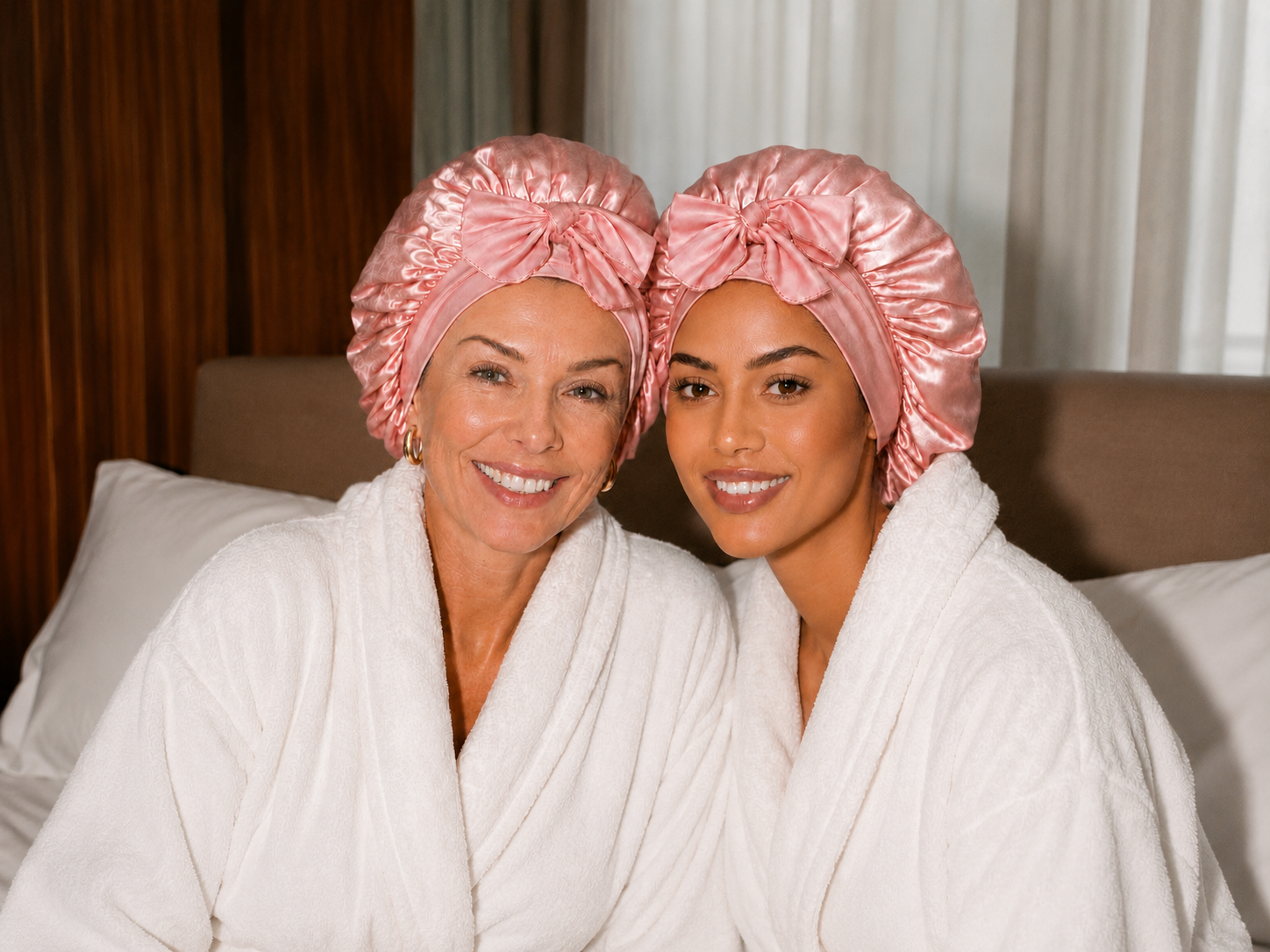
Comparative thinking wins here: list what you need from a product — moisture, strength, frizz control — and match that to your routine; if you sleep with a satin bonnet, prioritize formulas that reduce friction and keep oils in place. Think of comparisons like a short conversation between you and the label: what does it promise, and what does your hair actually need? Keep that head-to-head logic front and center as you click through product pages.
Key criteria to line up
Compare by clear, measurable things: ingredients list, concentration order, pH where available, texture descriptions, and declared benefits. Match those to your hair porosity and goals. Spot-clean marketing: if two products claim “deep repair,” the one with higher protein content or targeted actives will usually behave differently than an emollient-rich option. Side-by-side, these details tell the real story faster than brand blurbs.
Ingredients vs claims — read like a tester
Don’t let a promise replace the ingredient order. If a product leads with water, expect lightweight performance; if oils or butters top the list, expect heavier slip and moisture. Active ingredients — retinol analogs for scalp, peptides for strength, ceramides for barrier — should appear early to have effect. Note potential irritants (fragrance, certain alcohols) if your scalp is sensitive. Use short mental checks: what’s first, what’s last, and where does the active live?
Texture, application, and user signals
Texture matters more than adjectives. Creams behave differently from milks; serums and oils disperse differently. Look for user comments that describe actual feel: “non-greasy,” “sits heavy,” “absorbs fast.” Photos of ingredient panels, demo videos, and return-friendly brands give extra confidence. If two products are similar on paper, texture and how they layer with your other products will decide the winner.
Price, sample logic, and packaging reality
Price per use beats price per bottle. Estimate how much you’ll use each application and do the math. Packaging reveals intent: a pump or dropper preserves actives better than an open tub. Travel or sample sizes let you test without a big spend; if a brand offers sealed samples, that’s practical. Consider expiration after opening — active-heavy formulas can lose punch faster than simple conditioners.
Common mistakes shoppers make
Buying for the label, not the need. Chasing a celebrity line without checking ingredient order. Assuming “natural” equals gentle. Forgetting how season, water hardness, and your heat styling habit alter results. Avoid piling multiple new products at once; compare one change at a time so you know what worked. Simple tests at home — lower frequency, single-product trial — cut through guesswork.
Real-world trends and protective sleep accessories
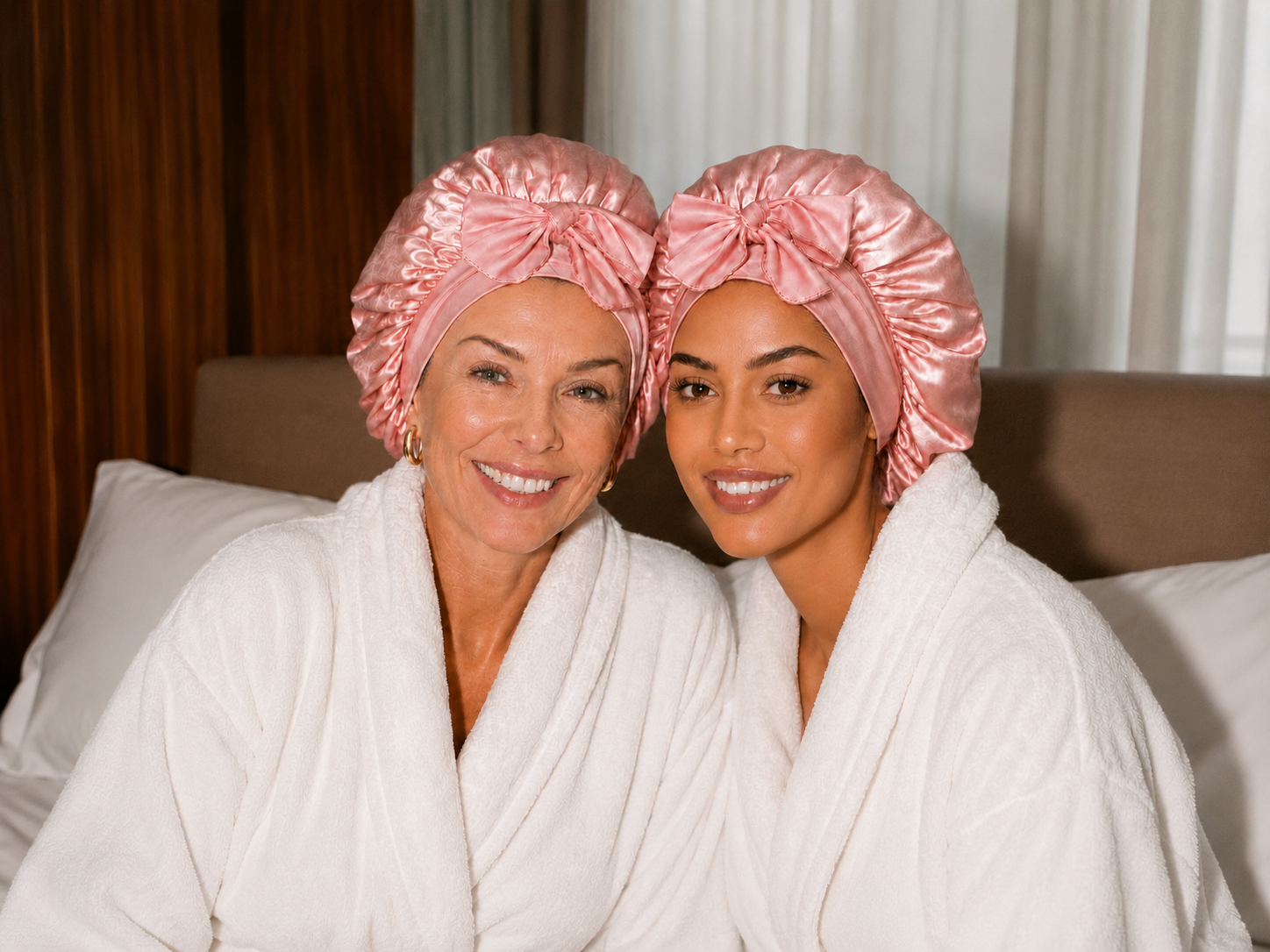
Trade shows and professional conversations keep protective styling visible: at major industry events like Cosmoprof Worldwide Bologna, satin and silk sleep accessories show up regularly as a recommended tool for reducing breakage — and that’s where accessories such as the satin hair bonnet get attention from stylists and retailers thinking about nightly protection. That industry visibility matters because it ties product choices to routine habits that actually change outcomes.
Putting the comparison into practice
Compare like a practical stylist: set priorities, stack measurable criteria, test small, and judge by how a product performs in your actual routine. Keep notes: one column for expectations, one for results. Over time you’ll build a shortlist of reliable formulas and the right sleep accessories alongside them; for curated, easy-to-scan sleep and hair-care options I often reference selections on yanibest, which makes the comparison step less of a guess and more of a choice based on what your hair really needs.