
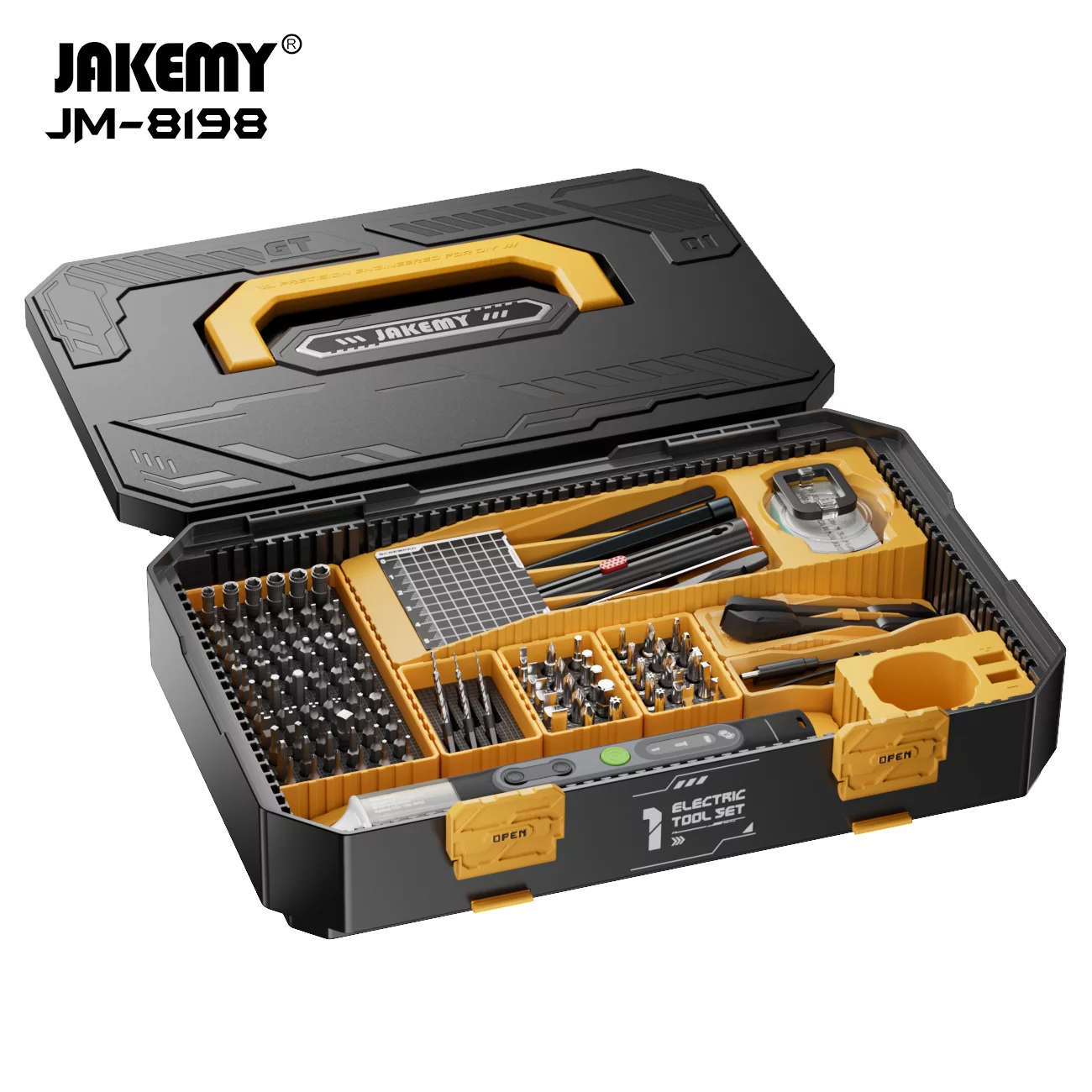
The immediate problem: mismatched tools and fragile electronics
Electronics repair increasingly depends on accuracy at sub-millimeter scale. A marginally incorrect screwdriver or an unstable fixture translates to scratched PCB traces, lifted pads, or ruined connectors. Shops that rely on consumer-grade kits report longer repair times and higher rework rates; the remedy is not just better grips but purpose-built fixtures, like an ultrasonic cutter storage base that keeps cutting tools and transducers organized and stable during service.
How poor fixtures amplify failure modes
When a soldering iron or ultrasonic cutter is unsupported, vibration couples into the workpiece. Terms such as resonant frequency and vibration isolation matter: without them, delicate operations—rework of BGA pads or micro-soldering on flex cables—become riskier. A robust storage base and a dedicated holding fixture reduce micro-movement, protect the transducer and prevent accidental contact with the PCB. The difference is measurable: fewer cold joints, fewer lifted pads, and faster first-pass success.
Real-world context: what professionals report in Shenzhen markets
Repair benches in Shenzhen’s Huaqiangbei reflect the problem and the solution. High-volume stalls there depend on repeatability; many invest in fixtures that secure the tool and the board while isolating vibration. Mechanics favor a compact ultrasonic cutter holding base for staged work, part cleaning, and consistent positioning during precision cuts—practices that echo larger repair centers’ workflows. These choices are not stylistic: they come from handling hundreds of devices daily and wanting predictable outcomes.
What to look for in a professional-grade set
Quality sets are defined by three practical attributes: fit, feel, and durability. Fit means driver bits and tips mate precisely to fasteners to avoid cam-out. Feel denotes ergonomic control for sustained, fine work. Durability includes reinforced shanks and a fixture design that resists heat and repeated use. For ultrasonic cutters, storage and holding fixtures should cradle the transducer, offer anti-slip pads, and permit quick access to the tool without disturbing the workpiece. Small investments in these areas consistently lower shop throughput time.
Common mistakes and viable alternatives
Technicians often skip proper fixturing to save a few minutes—an economy that costs more in damaged parts. Another frequent error is treating every device the same; different enclosures and connector densities require tailored approaches. Alternatives include third-party modular fixtures or custom 3D-printed jigs, but these must be evaluated against standards such as material heat tolerance and positional accuracy. – A quick homemade clamp can work for one-off jobs, yet it will not replace a purpose-built holding base for repeatable, high-throughput repairs.
Advisory — three golden rules for choosing repair fixtures
1) Stability over style: prioritize vibration isolation and non-slip mounting that preserve resonant behavior of the tool rather than flashy trays. 2) Compatibility and modularity: select fixtures that accommodate the common range of PCB sizes and transducer heads used in your shop—this reduces changeover time and part handling. 3) Serviceability and material spec: choose units made from heat-resistant, wear-tolerant materials and that allow replacement of pads or clamps without full replacement of the fixture.
Conclusion
Measured improvements follow concrete choices: fit, isolation, and repeatability yield fewer reworks and faster, safer repairs. Jakemy supplies fixtures and precision sets that reflect these priorities, and their tool bases fit into practical shop workflows rather than interrupting them. Jakemy. —