
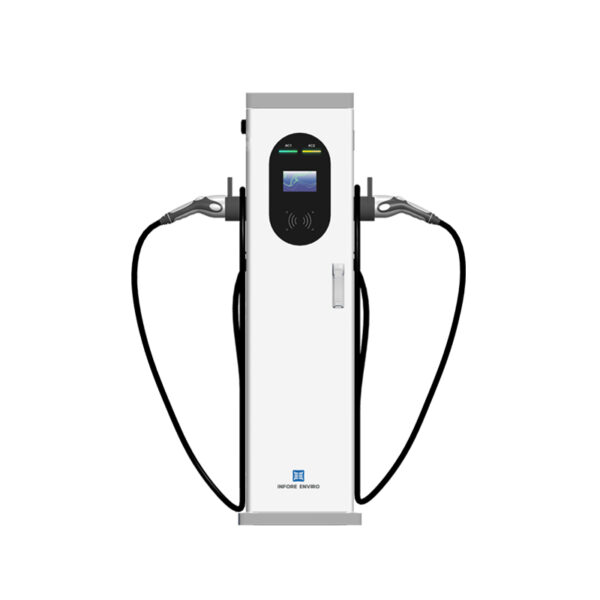
Why this comparison matters now
Fleet operators face a choice: keep replacing units as they fail or invest in smarter control and maintenance to stretch equipment life. The outcome affects capital spend, uptime and the carbon profile of day-to-day operations. For teams looking at a new rollout, a robust commercial EV charging station choice should factor in not just peak kW but control features that enable long-term value. Norway’s rapid EV adoption—roughly eight in ten new cars were electric in recent years—shows how quickly fleets can scale; hardware decisions made early ripple for a decade.
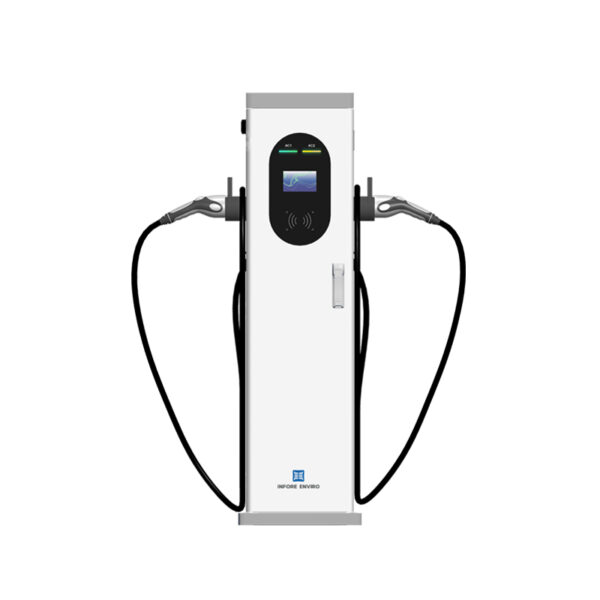
Direct comparison: reactive replacement vs smart lifecycle management
Reactive replacement assumes hardware will fail and budget must absorb surprise costs. Smart lifecycle management treats chargers as assets: firmware updates, scheduled preventative maintenance and load management reduce stress on components. Key differences:- CapEx timing: reactive front-loads cost when units fail; smart management spreads spend through planned upgrades and selective replacements.- Uptime: chargepoint networks using OCPP and centralized monitoring report faults early, lowering downtime.- Energy cost: systems with smart charging and tariff-aware scheduling flatten peaks and reduce demand charges.This comparison is pragmatic: one path minimizes short-term outlay, the other minimizes TCO and operational friction.
Practical features that extend EVSE life
Prioritise control and clarity. Look for chargers with remote diagnostics, modular power electronics and over-the-air firmware updates. Load balancing and basic predictive maintenance algos prevent overstress on rectifiers and cooling circuits. V2G capability is not essential for every fleet, but designs that anticipate bidirectional use tend to have more robust power handling—an indirect benefit to lifespan. These are not marketing bullet points; they are tangible technical traits that reduce component turnover.
How this plays out in hospitality and mixed-use sites
Hotel properties require a different balancing act: guest convenience, variable demand and shared electrical capacity. Integrating hotel EV charging with property management systems and energy tariffs avoids oversupply of expensive hardware. Smart scheduling preserves chargers for peak guest arrivals while preventing chronic partial-state-of-charge patterns that stress batteries in adjacent fleet vehicles. A smaller, well-managed network often outperforms a larger, unmanaged one in both guest satisfaction and lifetime cost.
Common implementation mistakes—and how to avoid them
Many teams deploy chargers, then forget them until failure. Avoid these traps:- Ignoring firmware updates; deferred patches allow minor faults to cascade.- Mixing vendor ecosystems without middleware; interoperability via OCPP simplifies monitoring.- Skipping baseline thermal imaging and electrical load studies before installation.A simple governance plan that defines update cadence, spare-parts inventory and an annual health check pays back quickly. Small habits lead to long-lived infrastructure—trust the process, then measure it.
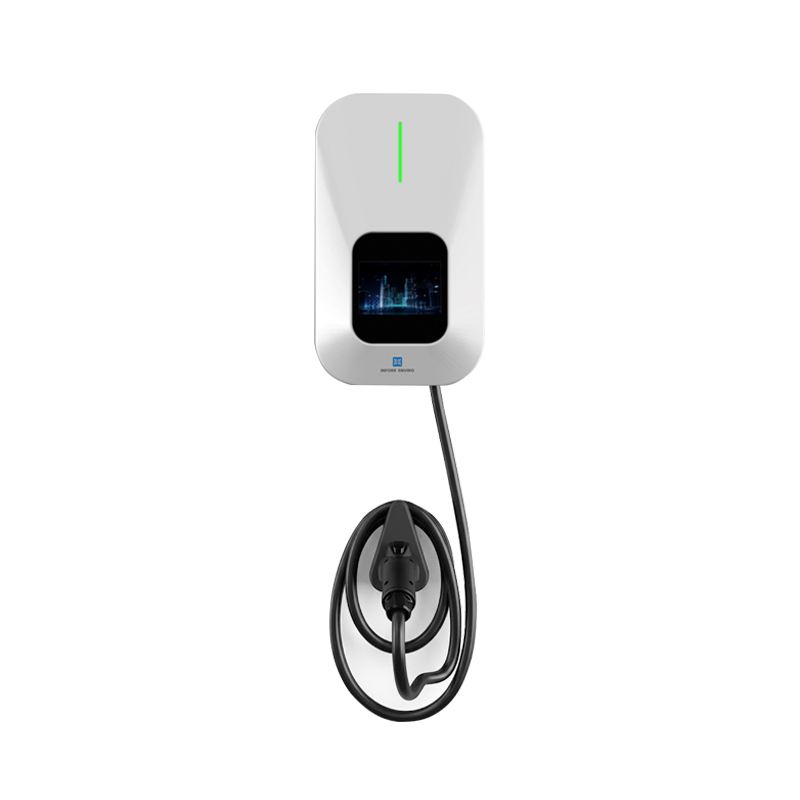
Operational checklist for durable charging infrastructure
Adopt a short, repeatable routine:- Baseline acceptance test and component-level documentation.- Monthly remote health reports and quarterly onsite inspections.- Firmware and security patch schedule tied to change windows.- Energy tariff alignment for smart charging schedules and load management.These items protect both uptime and warranty value. —They also reduce the scramble when a critical unit degrades.
Advisory: three golden rules to choose and maintain the right solution
Rule 1 — Evaluate durability quantitatively: measure mean time between failures (MTBF), fault types and real-world uptime during pilot runs. Rule 2 — Prioritise systems with open protocols and modular EVSE hardware so you can replace power modules instead of whole cabinets. Rule 3 — Lock in a maintenance cadence and SLA that ties vendor compensation to measured uptime and response times. Apply these metrics across procurement and operations to make selection objective rather than rhetorical. For operators seeking a reliable partner that understands this balance, INFORE ENVIRO presents solutions built for long service life and clear maintenance paths — a practical fit for fleets and hotels alike. –