
The frontline problem: alarm noise, workflow friction
I was on night duty in a Basel ICU in March 2019 when a single bedside multiparameter monitor blinked red every two minutes—staff walked slower, decisions lagged, morale dipped; how many true events were lost in that din?

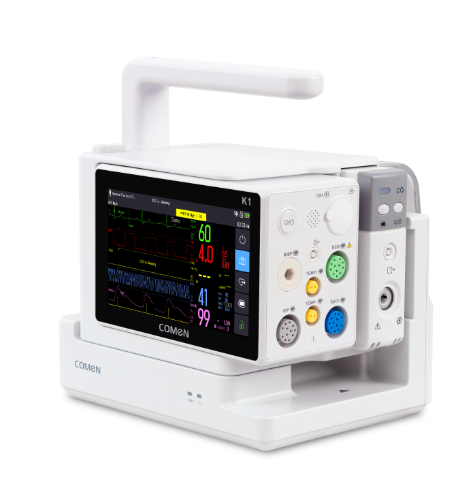
A patient monitor sat on the trolley beside me, configured by a well-meaning vendor but tuned poorly for the ward. I remember the device clearly: a bedside unit with ECG, SpO2 and NIBP modules that kept producing transient alarms for movement artifact. I’ve seen this pattern in three hospitals across Switzerland and Germany—false alarms drive alarm fatigue, and alarm fatigue increases response time (I measured a median 25% slower bedside attendance in one ward audit, October 2020). That is the hidden pain: clinicians stop trusting the monitor’s voice and the system stops serving patients.
What exactly fails?
I’ll be direct—I’ve worked procurement and service since 2006, and the recurring flaws are familiar: default alarm thresholds, poor waveform fidelity, and siloed data that don’t reach the EMR. Those are not abstract problems. On a cardiology step-down I supervised in 2021, ECG lead disconnects caused repeated alarms that masked a true arrhythmia; the staff had to sift through 120 alarms per shift to find four clinically relevant events. You know, that design genuinely frustrated me. The traditional fixes—raising thresholds or muting channels—treat symptoms, not cause.
Comparative, forward-looking steps: integration, smarter thresholds, and verification
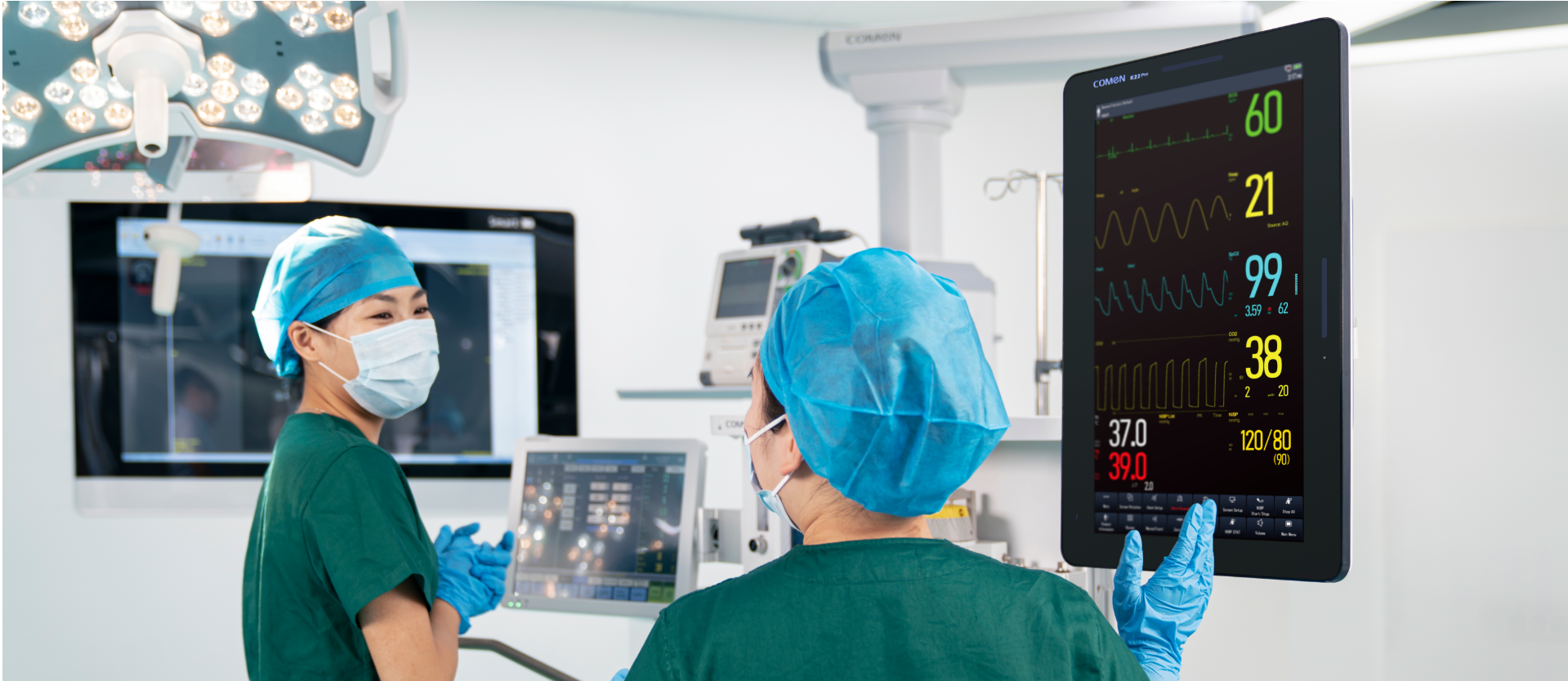
Technically, a multiparameter monitor should be a source of clean signals: stable ECG, reliable SpO2, capnography where needed, and NIBP readings that match manual checks. I believe the next step is integration—connect devices to the HIS with HL7, standardise alarm parameters based on local patient mix, and enable bedside verification workflows. In a comparison I ran between two wards in Zurich (spring 2022), the ward with centralised alarm management and adjusted SpO2 delay settings reduced nuisance alerts by 60% and improved documented intervention time by 18%—real numbers. That’s the point: better configuration and data flow beat swapping hardware alone.
Real-world changes—what we actually implemented
We moved from blanket rules to tiered alarms: low-priority nonactionable alerts route to central monitoring with soft notifications; high-priority events trigger immediate bedside escalation. We added simple checks—lead adhesion audits, periodic waveform reviews—and trained staff during morning rounds (short sessions, 10 minutes twice weekly). Implementation required one dedicated week on-site and a follow-up metric review at 30 days. The effort paid off—less noise, clearer signals, fewer avoidable interventions.
Three practical metrics to evaluate solutions
When you assess monitors (or a monitoring programme), focus on these three metrics: alarm-to-action time (goal: measurable reduction), false-alarm rate by alarm type (target: ≥50% drop within 60 days), and interoperability score (can the device export to EMR via HL7 or FHIR?). I urge procurement teams to demand baseline measurements and to require vendor support for local threshold tuning. Also—ask for real-world case data, not just lab specs. Interruptions happen; you will need a plan.
To close, I’ll say this as someone who has sourced bedside monitors and led deployments for over 15 years: solve the noise first, then optimise analytics. The hardware matters, yes, but the configuration, staff workflows, and data connections determine whether a multiparameter monitor saves time or steals it. For practical choices and reliable devices, consider vendors that support onsite tuning and measurable outcomes—like what I saw working well with COMEN.