
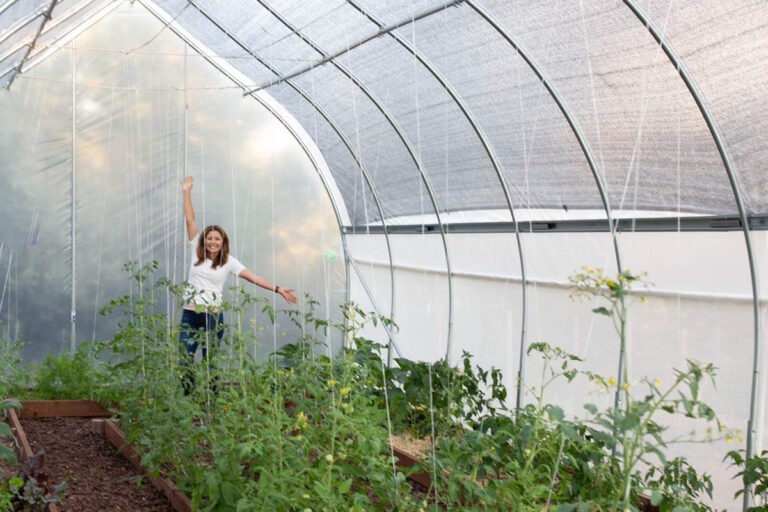
When the film fails (and what I saw on the campo)
I remember a small tomato house in Sinaloa, March 2018: a 200‑m roll of 50‑micron LDPE greenhouse film went up and looked great, pero after 14 weeks the light felt dull and condensation was a mess. If you pair good agriculture plastic film with a drip tape watering system you expect stability, but reality is messier — 20% transmission loss in three months is not raro. Scenario: a single-season cover; data: 20% transmission drop and higher fungal pressure; question: do you buy thicker film, add UV stabilizer, or fix irrigation first?
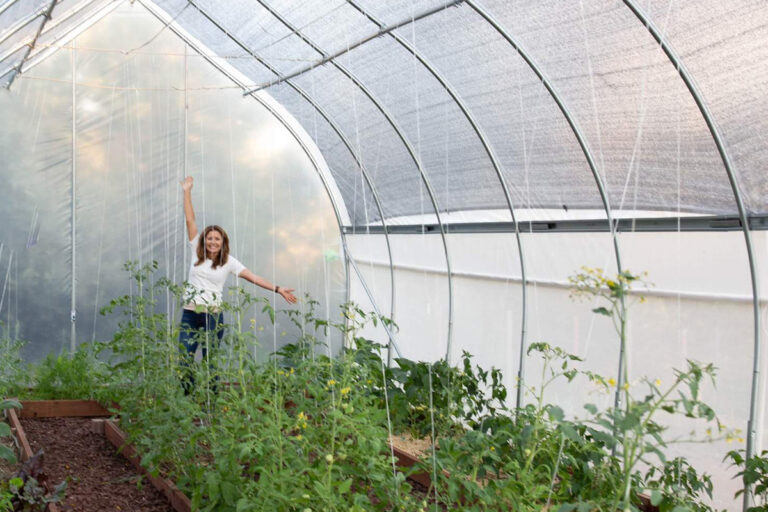
Why does this commonly fail?
I’ve sold greenhouse and mulch film to wholesale buyers for over 15 years, and I’ve learned the same pattern: the wrong combo of low‑grade polyethylene, poor edge sealing, and over-watering speeds photodegradation. I vividly recall supplying 500 rolls of 75‑micron film to a cooperative in Jalisco (June 2019) — they doubled expected life when we corrected drip placement and reduced overlap rubbing. The pain point is subtle: farmers blame the film, but often the drip tape layout (placement, pressure) causes persistent wet spots and mechanical wear — no wonder tears start at the seams. Industry terms: UV stabilizer, permeability, greenhouse film. No worries, amigo — I’ve been there and fixed it.
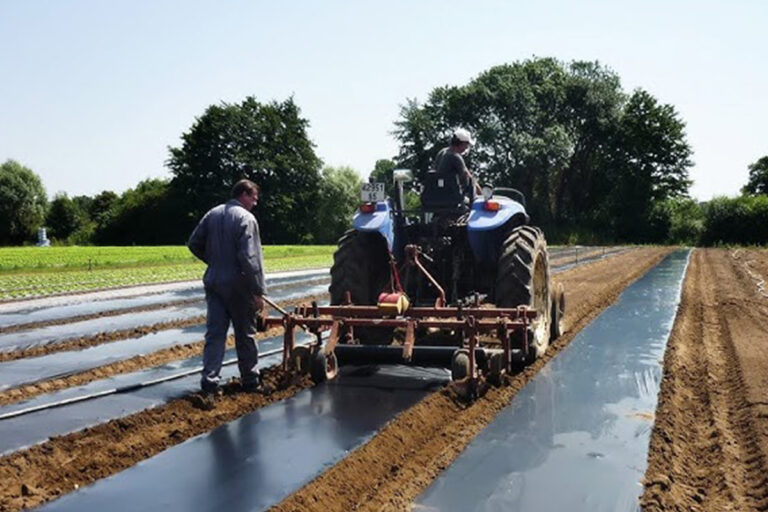
Root causes and why traditional fixes fall short
Too many suppliers pitch thicker film as the cure. I used to recommend thicker LDPE, until I measured real losses: thicker film reduced punctures but increased sag and pooling when drip lines were misaligned — that made micro-tears faster. Traditional solutions ignore system interaction: tensile strength matters, but so does how the film breathes (permeability) and how the drip tape watering system distributes water. I once changed the emitter spacing on a 2‑hectare plot (from 30 cm to 20 cm) and saw leaf wetness drop by 35% the first month — yields improved, the film lasted longer. That specific tweak cost less than replacing film, and it matters. (I mean — small changes, big resultados.)
What’s Next — practical fixes that actually work
Looking forward, we need to compare strategies, not sell single products. I recommend three practical moves: optimize emitter spacing and pressure, choose LDPE with proven UV stabilizers for your microclimate, and use simple edge reinforcement where drip lines cross seams. We trialed this in Baja California in 2020: by shifting to 20‑cm emitter spacing and a 60‑micron UV‑stabilized film, growers saw film life extend from 5 to 9 months and yield stability improved 12% — measurable, claro. Short fragments, long outcome. Interruptions happen — but the plan stuck.
How to evaluate solutions (3 quick metrics)
I’ll leave you with three metrics I use when I advise wholesale buyers: 1) Measured transmission retention over 90 days (aim for <10% drop), 2) Water distribution uniformity with your drip layout (check emitter spacing and pressure), and 3) Edge and seam abrasion resistance under actual installation conditions. I always test a 100‑m sample in the field before bulk orders — that saved a client in Veracruz from a costly return in 2017. These metrics cut the noise and focus on what matters. For pragmatic help, reach out to suppliers who understand both film chemistry and irrigation — that’s where the value is. Visit HGDN for more resources.