
Why Comparison Matters Right Now
Lighting choices decide more than brightness; they decide behavior and cost. Your pendant light supplier is on the line, the site clock is ticking, and the ceiling grid is already fixed. In a real rollout of 120 mixed-use projects, we saw 38% of delays tied to fixture incompatibility and 22% linked to dimming protocol mismatch (small numbers that create big chaos). So the question is simple: how do you compare offers in a way that holds up when the lift leaves and tenants move in? You want a method that is calm, repeatable, and honest — not just glossy renderings.
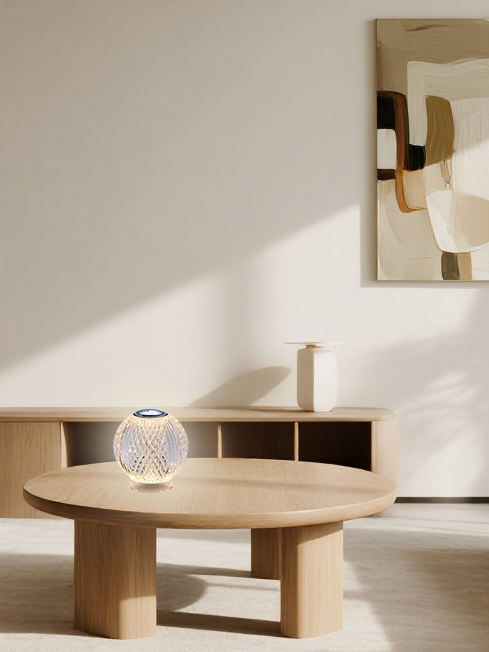
Picture the scene: a sample board, a stack of submittals, and four similar pendants that are not identical. The finish looks equal, but the drivers differ. The warranty reads clean, but the lumen maintenance curve bends early. Is the balance between design and reliability working for you, or against you? We take a comparative lens here (step by step), so you see what matters at install, at commissioning, and after year two. Let us move to the critical layer where choices either pay off or bleed time.
Hidden Pain Points Behind Multi-Light Pendants
What actually fails first?
In Part 1, we mapped baseline criteria: output, finish, price. Now we go deeper and target the points that strain budgets after handover. Take a typical 5 light pendant chandelier. The design looks simple, but the stress points stack. First, dimming protocol. If the fixture driver does not play well with 0–10V or DALI on your site, you get flicker or dead zones at low levels. Second, driver topology. A shared driver can cut parts count, but it can also create single-point failure for all five heads. Third, thermal management. Tight canopies trap heat; heat shortens component life. Look, it’s simpler than you think: small engineering choices predict service calls later.
There are human pain points too. Installers meet shallow junction boxes, and housings do not seat. Cable leveling eats hours because micro-adjusters slip under load. Optics shift: one lens warms up the color and another goes cool, so CRI looks fine on paper but mixed in the room. Lumen maintenance drifts; at month 18, two heads dim faster, and the uniformity breaks. If the pendant light supplier does not specify clear tolerances for cable stretch and canopy depth, you pay twice: once in install time, and again in punch-list return trips.
Forward-Looking Principles and Practical Comparisons
What’s Next
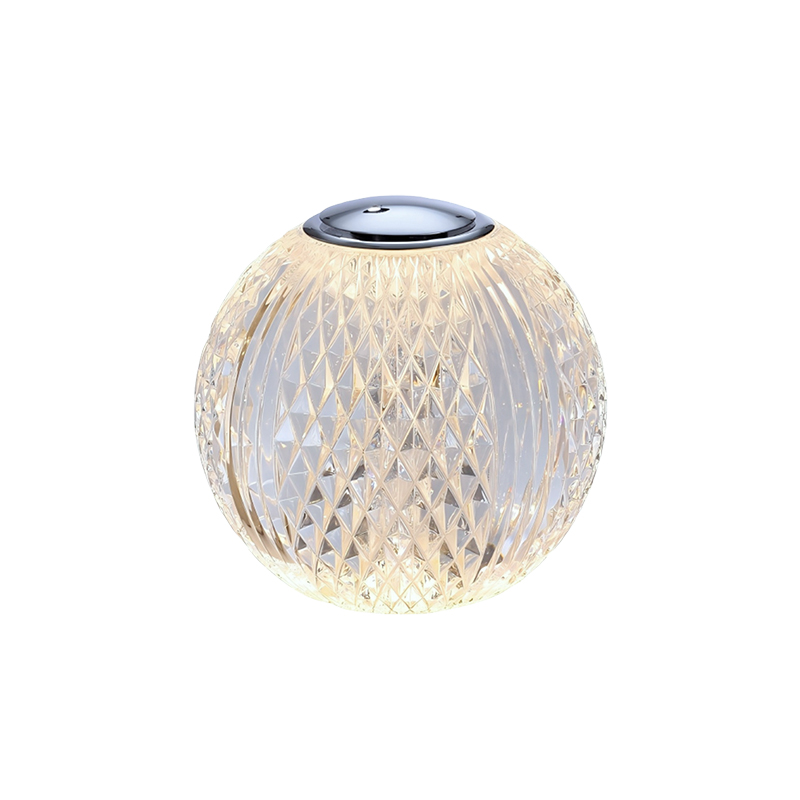
To compare offers with future in mind, treat the fixture like a small system, not a decorative shell. New principles help. Modular constant-current power converters support independent heads, so one failure does not take down the array. Smart drivers with selectable dimming curves make low-level scenes stable across 0–10V and DALI. Optical diffusion matters as much as wattage; engineered acrylic spreads light without hot spots, and it stabilizes the look across different ceiling heights — funny how that works, right? When you review acrylic pendant lights, ask how the diffuser thickness and surface finish control glare, not just how they look in a photo.
Comparative testing should be mundane and strict. Warm up pendants for 30 minutes, then check flicker at 5% and 10% output. Confirm thermal rise in the canopy; a simple IR scan exposes risk before it becomes failure. Match CRI across heads and verify that color shift stays within target. If suppliers show equal style but different numbers, the quiet metrics win. (This is the part many skip.) A small edge in thermal behavior or optical diffusion will save more than a decorative trim ever could, especially in open offices where uniformity sells calm.
How to Choose with Confidence: Three Metrics That Don’t Lie
We have seen where issues hide, and we have linked design to service life. Now turn that insight into a quick, fair comparison — and keep it stable across bids. First, low-level dimming stability: require no visible flicker at 5% output on your control system of record, documented in commissioning notes. Second, canopy thermal rise: cap at a defined delta over ambient after 30 minutes at full load; this predicts driver life better than a glossy spec. Third, uniformity under reality: verify head-to-head lumen output and color consistency after warm-up, not out of the box. These three give you a measurable backbone for selection.
If two pendants tie on finish and price, the one with steadier dimming, cooler canopy, and tighter optical control will cost less to own. It will also make fewer calls for service — and not by accident. Keep the questions simple, the tests repeatable, and the evidence visible to all trades. In this way, the comparative path stays clear, from design intent to final handover, and the space feels as planned. For continued study and product context across this category, see kinglong.