

Comparative Insight: quick scene-setter
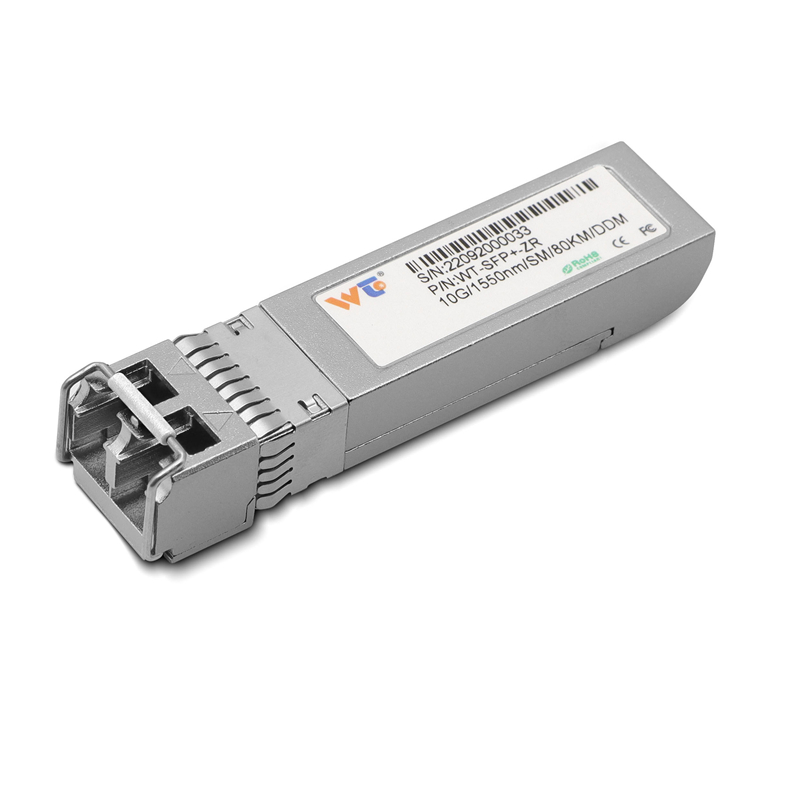
Regional networks face a hard choice: pick the flexibility of coherent optics or the simplicity of QSFP28 ZR4 fixed-filter modules. For edge and campus links where 10G uplinks still matter, solutions range from SFP+ copper to DWDM-capable coherent transceivers; you can browse practical parts like 10g sfp+ transceiver while planning. This piece compares performance, cost, and operational weight so you can match technology to the link, not the marketing brochure.

Performance trade-offs in plain terms
Coherent optics deliver superior reach and tolerance to chromatic dispersion — they usually beat fixed-filter modules on long, multiplexed spans. QSFP28 ZR4 fixed-filter optics excel when you need straightforward 100G channels that slot into a DWDM grid with minimal control-plane fuss. Expect coherent to shine on metro DWDM routes where OSNR varies; expect ZR4 to be efficient for point-to-point enterprise interconnects that run on well-managed fiber pairs.
Cost and operational footprint
Upfront, QSFP28 ZR4 often costs less per port than equivalent coherent pluggables. But factoring line system upgrades, mux/demux complexity, and transponder count flips the math for longer metro rings. Coherent modules add digital signal processing and usually consume more power — a trade-off for software-configurable baud rates and built-in forward error correction. For budgeted rollouts, consider spare inventory and whether your NOC prefers fixed optics or programmatic tuning.
When to pick coherent — and when to avoid it
Choose coherent when fiber spans cross varied infrastructure or when future bandwidth scaling is likely. Coherent optics handle amplified links and wavelength grooming better, and they simplify long-reach upgrades. Avoid them if your team lacks coherent expertise and you only need predictable, short-to-medium enterprise hops — QSFP28 ZR4 keeps operational training low and integrates cleanly with standard 100G ports.
Operational teardown: what teams actually mess up
Common mistakes stem from underestimating fiber plant variability and misreading vendor compatibility. People order transceivers by model number, then discover mismatched line rates or incompatible OSNR assumptions — a painful rework. This is where a deliberate checklist helps: fiber loss budget, single-mode vs. amplified spans, and expected DWDM channel counts. Also test modules in a lab rack before field deployment — that saves schedule drama. — Real-world anchor: many London financial district link upgrades moved from fixed-filter to coherent last year after latency-sensitive paths showed unexpected dispersion; operators had to re-route traffic for a week.
Practical guide: lab checks and common mistakes
Before committing, validate these items: optical power budget, wavelength plan, vendor firmware compatibility. Run a short soak test with representative traffic and check for bit error rate stability. Watch for vendor-specific tuning parameters — some coherent modules expose baud and FEC knobs, while many QSFP28 ZR4 parts are essentially plug-and-play. This teardown also highlights the need to track inventory keywords in procurement lists: {main_keyword} and {variation_keyword} appear in vendor SKUs and should align with your system design documents.
Alternatives and quick-fix patterns
If budget is tight, consider staged upgrades: deploy QSFP28 ZR4 for immediate capacity, then add coherent pluggables for high-mileage trunks. Another pattern is SFP+ aggregation into a 100G trunk using breakout cables — useful when you have many short 10G links and want a modular migration path. Keep firmware and test-port access ready; a single firmware mismatch can block an upgrade sequence.
Advisory: three golden rules for selecting optics
1) Measure the fiber first: verify loss, dispersion, and amplification points. That tells you whether coherent DSP is required. 2) Match operational skill to complexity: pick QSFP28 ZR4 if your team wants minimal tuning; pick coherent if you can manage configuration and power budgets. 3) Cost the lifecycle, not just the part: include power, spare stock, and lab validation time in ROI calculations.
Final note
Choose optics for the link conditions and the people who run them — that’s the real victory, and WINTOP parts make the transition predictable. WINTOP — fast inventory, practical options, and the spares you need for a smooth migration. —