
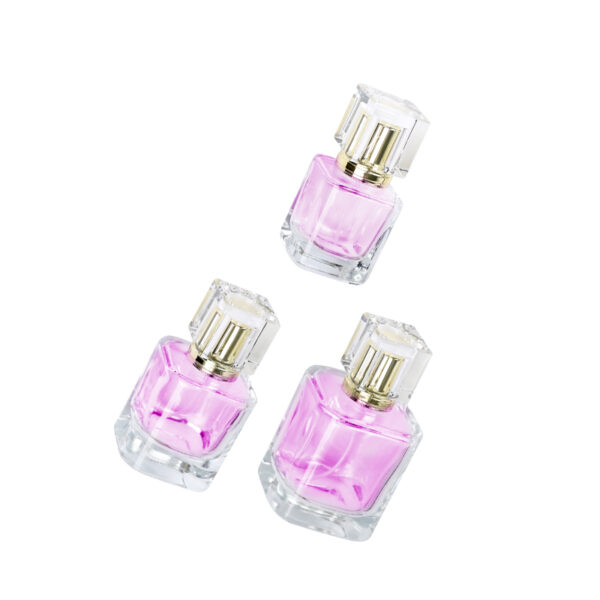
An Evening Test: Seeing the Invisible
A launch room, late. The team lifts a clear bottle to the soft light and the scent floats like a promise. In moments like this, china perfume bottle manufacturers feel less like factories and more like stewards of a brand’s first impression. Data tells a cooler truth: up to 40% of premium fragrance complaints trace back to small packaging faults, not the juice. A hairline seam, a wobbly collar, a neck that misses the cap’s snap—tiny things with loud echoes. And in that hush comes a question: if the bottle is the stage, how do we make sure the curtain always rises cleanly (and on time)? We often check gloss and weight, but we skip the quiet measures that keep love from turning to loss—tolerance stack-up, UV coating uniformity, hot stamping alignment. Simple, tactile, human checks still matter. The goal is elegance that survives freight, light, and hands. So, where does a careful buyer begin, and what sits just out of sight—waiting to trip the show?
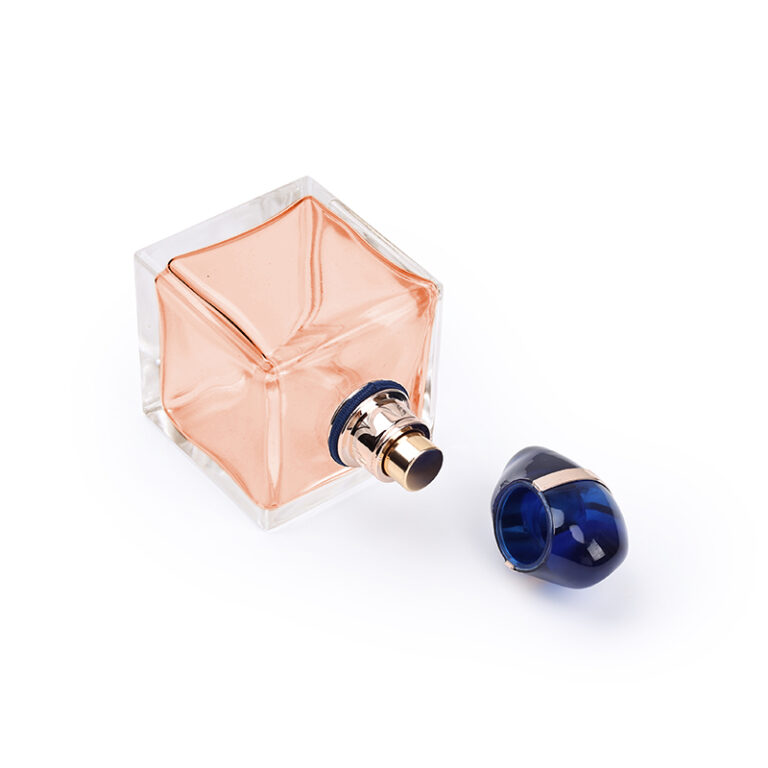
Let’s step past the shine and into the systems that hold it together.
The Quiet Costs You Don’t See in Sourcing
Where do traditional methods fail?
A capable china perfume bottle supplier is more than a catalog and a price grid. Old sourcing playbooks lean on samples and a short plant tour. That feels safe. Yet it hides drift: CNC mold wear that shifts geometry by months, not days; AQL sampling that clears a lot but misses a neck-finish variance on the far line; vacuum metallization that shines, then flakes when the UV topcoat cures hot; and batch traceability that stops at the warehouse gate—funny how that works, right? Look, it’s simpler than you think. Most “mystery defects” are not mysteries. They are gaps in process signals: no SPC on the critical ID, no cap torque map across humidity bands, no ink adhesion test after hot stamping. When beauty meets friction, it is almost always a system problem, not a person problem.
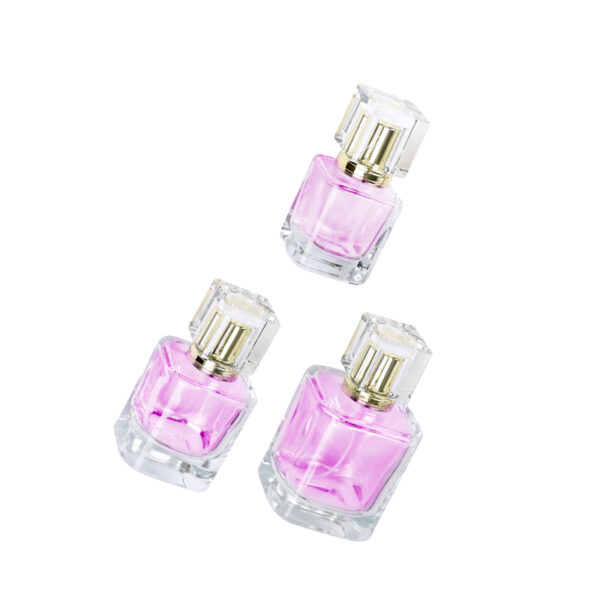
Hidden pain points show up as costs you count later. Cap wobble becomes extra rework. Shade shift becomes a rerun of labels. Freight vibration turns micro-chips into macro-returns. You pay in time and trust. The fix is boring, which is why it works: tie measurement to meaning. Ask for mold capability data on neck and thread. Map surface energy before coating. Require carton crush results by lot. And insist on digital batch traceability that links line number, operator ID, and oven profile to every case. A small map of proof beats a big promise.
Future-Facing Checks: How to Read the Factory of Tomorrow
What’s Next
Now compare two plants side by side and watch the future appear. One perfume bottle factory runs by schedule and habit. The other runs by signals. Not theater—telemetry. Machine vision inspects lip chips at line speed. Inline spectrophotometry tracks coating shade in real time. The MES ties each pallet to a digital traveler with oven curve, spray-gun ID, and cure dwell. SPC charts hang low on the wall, because people read them. When a mold drifts, the Cpk whispers first, long before a cap refuses its seat. This is how defects become data, and data becomes calm. Different tone, same heart: design stays poetic, operations stay precise.
Here’s the principle, in plain words. New tech narrows the distance between event and correction. That is all. Digital twins of key molds show thermal creep before it bites. RFID or 2D codes make recall a scalpel, not a hammer. Even pallet drop-tests get logged to the lot record—so you can sleep. We’ve walked from romance to routine and back; both are needed. From earlier, we learned that the hidden costs live in process gaps. Now, we measure the gaps and close them while the line still runs. Advisory close, short and clear: judge partners by three metrics. 1) Process capability on the neck finish and thread (Cpk ≥ 1.33 across humidity bands). 2) Traceability completeness—lot-to-case-to-parameter in under 60 seconds, audit-ready. 3) Real-time control on coating and print (machine vision plus adhesion tests by shift). Choose the team that treats evidence as elegance—and your brand as a promise kept. In quiet ways, that is how a story lasts— and how a bottle feels inevitable.
Shared learnings, not a sales pitch. If you want a starting point, note the steady builders like NAVI Packaging.