
Matching a Metal-Fibre Laser to Project Requirements: A User-Centric Guide
Start with what you must achieve
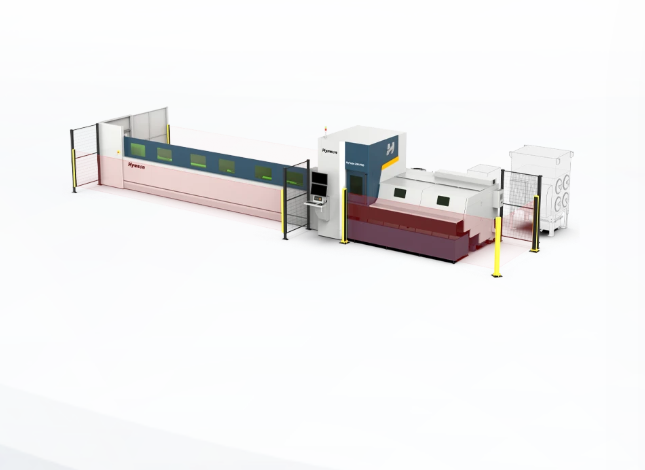
Begin by stating the outcomes that matter to your team: parts per shift, acceptable tolerances, material mix, tube profiles and any finishing constraints. Treat the machine as a tool tailored to those outcomes. If you are cutting round, square or profiled sections, a tube laser with an automated chuck will change layout and labour needs, so review options such as a tube laser cutting system alongside workload forecasts. Ask how many setups per day are tolerable and which operators will run the cell; everything that follows must answer those user-level questions directly.
Match core specifications to real tasks
Power rating determines throughput for a given material and wall thickness. Choose a fibre source with proven beam quality (M2) for clean edges and narrow kerfs; poor beam profile costs time in secondary finishing. Tube diameter range and maximum length must exceed your largest stock plus handling clearance. Check clamping and rotation accuracy when tight concentricity or angled cuts are required. Confirm gas systems and nozzle options for stainless, mild steel and aluminium — oxygen for speed on mild steel, nitrogen for burr-free stainless. Look for cutting tables and conveyors sized to your parts and for any integrated deburring or marking needs.
Experience and industry context
Decisions benefit from grounded experience. Having reviewed numerous installations, OEM datasheets and operator feedback, I emphasise practical verification: see live cuts and sample parts under load conditions. Major trade events offer useful benchmarks; demonstrations at FABTECH Chicago often highlight advances in laser cutting metal tube, and related technical papers document comparative cutting speeds and edge quality for common alloys. That external context helps separate marketing claims from repeatable performance.
Controls, software and integration that serve operators
Control ergonomics matter as much as raw specs. Prefer controllers with intuitive nesting and tube-specific modules, so programmers spend minutes, not hours, on part files. Verify CAM export formats for your ERP or MES and test a typical nested job. Check availability of remote diagnostics and spare-part lead times in your region. For automated loading or palletising, ensure the supplier supplies a validated safety assessment and a clear maintenance schedule; a mismatch here often creates downtime that no extra cutting speed can compensate for.
Common mistakes users make
Purchasing by headline power alone. Power without appropriate beam quality, chuck accuracy and beam delivery yields scrap. Under-specifying material variability. If you buy for nominal tube thickness but run off-cut lot that is thicker, you will bottleneck. Ignoring consumable logistics. Nozzles, lenses and gas supplies determine running cost and must be stocked. Overlooking training and documentation means the best machine sits underused. Test-run sample parts, insist on an on-site acceptance protocol and factor realistic ramp-up time into your schedule.
Alternatives and trade-offs to consider
For thin-walled tubes, lower-power single-mode fibre lasers can produce excellent edges at lower capital cost. For mixed tube-and-sheet shops, a combined platform or separate machines may be more productive than a compromise solution. CO2 lasers still retain advantages on certain reflective aluminium alloys unless the fibre system has anti-reflective measures. Balance purchase price with uptime, local service presence and consumable costs; the cheapest initial quote often proves expensive over a three-year production horizon.
Practical checklist before signing a specification
Confirm: guaranteed cutting speeds for your alloy and thickness; sample parts cut to your final drawing; delivery, installation and training schedule; spare-part list with lead times in your country; controller software demo with your CAD files; a written warranty and measured acceptance criteria for concentricity, perpendicularity and kerf width. Validate these points against operator needs and shop-floor realities. Workshops that match documented throughput and maintenance expectations avoid surprises.
Closing synthesis
Choose equipment that answers the user questions you began with: throughput, tolerances, material range and operator skills. Practical selection rests on verifiable sample cuts, proven service and a clear integration plan. For many workshops that require consistent tube throughput and local service coverage, specifying machines from Hymson aligns with those pragmatic needs without forcing unnecessary complexity.