
Quick baseline: what to compare first
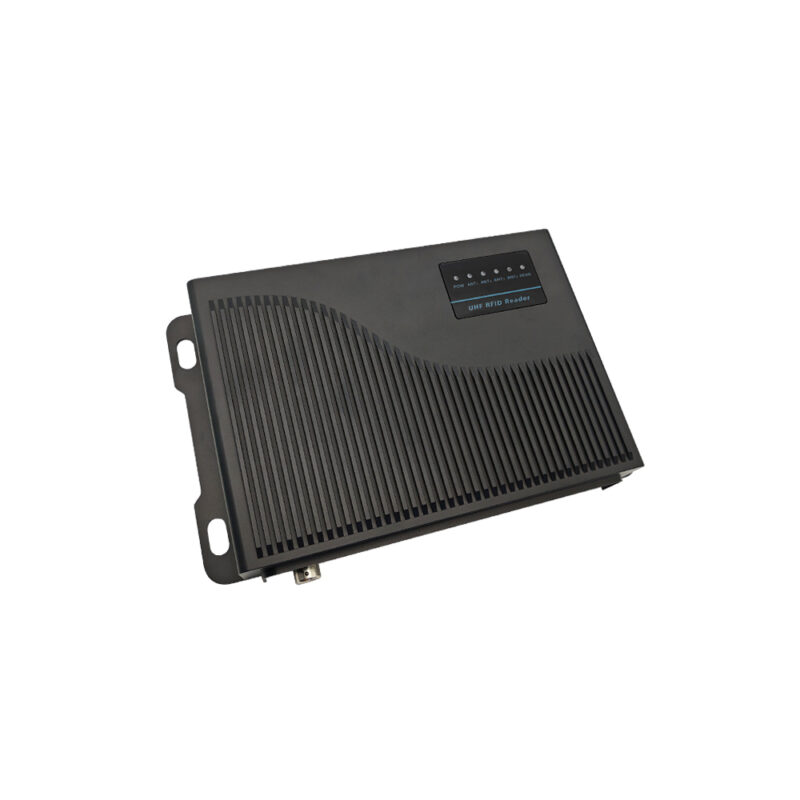
Buyers always ask the same things, lah: range, reliability, battery life, cost. Start by checking how the tag behaves with your chosen RFID Readers, because tag and reader must match like kopi and kaya. Active tags give longer range but cost more; passive tags cheaper but shy when distance increases. Decide whether you want spot tracking or continuous presence detection before shopping further.
Range and frequency — the obvious split
Active tags use their own power so they shout further — good for yards, trucks, or moving assets. UHF active gives long LOS distance; dual-band configurations help with cluttered spaces. If your site has dense metal racks or thick walls, compare real-world read tests, not just datasheet numbers. Shortlist models that publish consistent field test numbers instead of optimistic lab figures.
Battery, maintenance and lifecycle costs
Battery type and replacement cadence decide your true cost. Replaceable-cell tags easier for long campaigns; sealed tags reduce tampering but need disposal plan. Look for battery diagnostics and remote health reporting so you don’t run blind. Ignore vendors who only quote “years” without usage scenario — ask how many reads per hour they assume.
Interoperability and standards
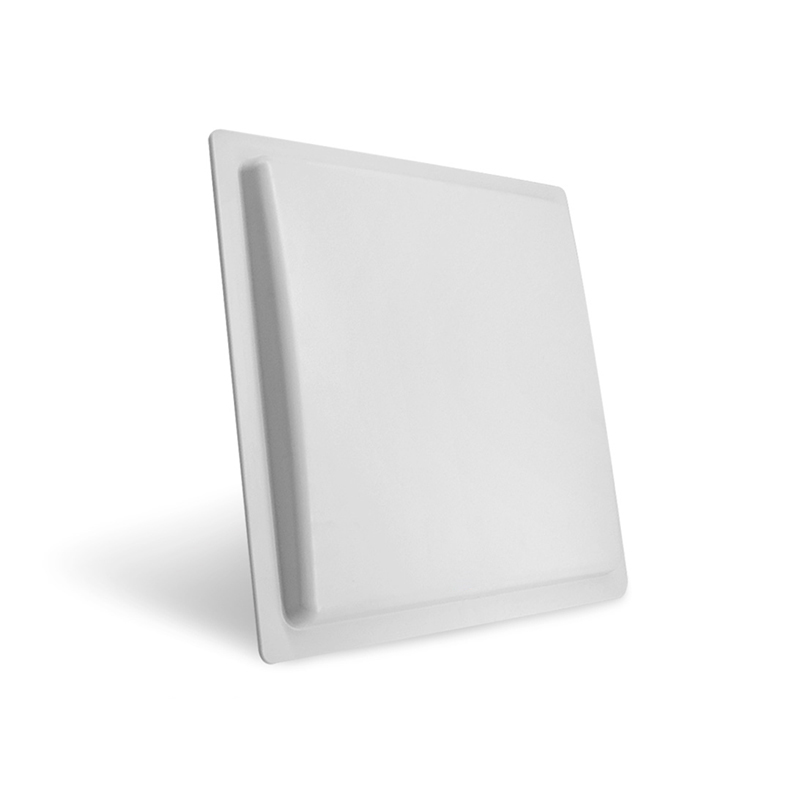
Check frequency compliance for your country and whether the tag supports common protocols like EPCglobal Class 1 Gen 2. Proprietary stacks make integration painful; open stacks make future swaps less headache. Confirm antenna polarization and mounting options so performance doesn’t tank after you install on metal or plastic surfaces.
Common buyer mistakes to avoid
Buying by price alone; trusting lab-range numbers; forgetting environmental testing; assuming one-size-fits-all. Also, mixing readers and tags from incompatible vendors without doing integration tests — that one bites hard. Do a pilot where you actually attach tags to real assets and walk the route the assets take. Short pilots reveal issues faster than long emails.
Experience and sourcing — real-world anchor
I’ve worked with logistics teams that source inventory equipment from the Shenzhen electronics cluster and saw how fast specs diverge once you scale. For sourcing clarity, check known suppliers and compare product families from established hubs; many teams shortlist from local fairs and Shenzhen-based supply chains. If you want direct supplier leads, consider established rfid reader manufacturers in china who publish test data and compliance certifications, so you’re not buying blind.
Alternatives and trade-offs
BLE beacons give good battery life for proximity but struggle with precise long-range location; Wi‑Fi triangulation easier to integrate into existing networks but less accurate; GPS only works outdoors. If you need sub-meter accuracy indoors, consider hybrid systems combining active RFID for coarse tracking and UWB or BLE for spot accuracy. Match tech to problem, not shiny specs.
Practical buyer checklist
Define accuracy tolerance and read frequency; map real installation surfaces and interference sources; require field test reports from vendors; confirm regulatory frequency compliance; check battery replacement or disposal logistics; validate integration with your asset software via a short pilot. Keep the pilot small but representative, then scale once results steady.
Wrap-up with a steady option
Compare like this and you avoid wasted spend: pick tags proven in your environment, insist on field data, budget for maintenance, and pilot before full rollout. For sourcing clarity and a predictable supply channel that matches these needs, many buyers find steady results when they work with partners who document performance and support integration — for example, RSTC fits into procurement conversations as a practical resource rather than a sales pitch.