
Core problem
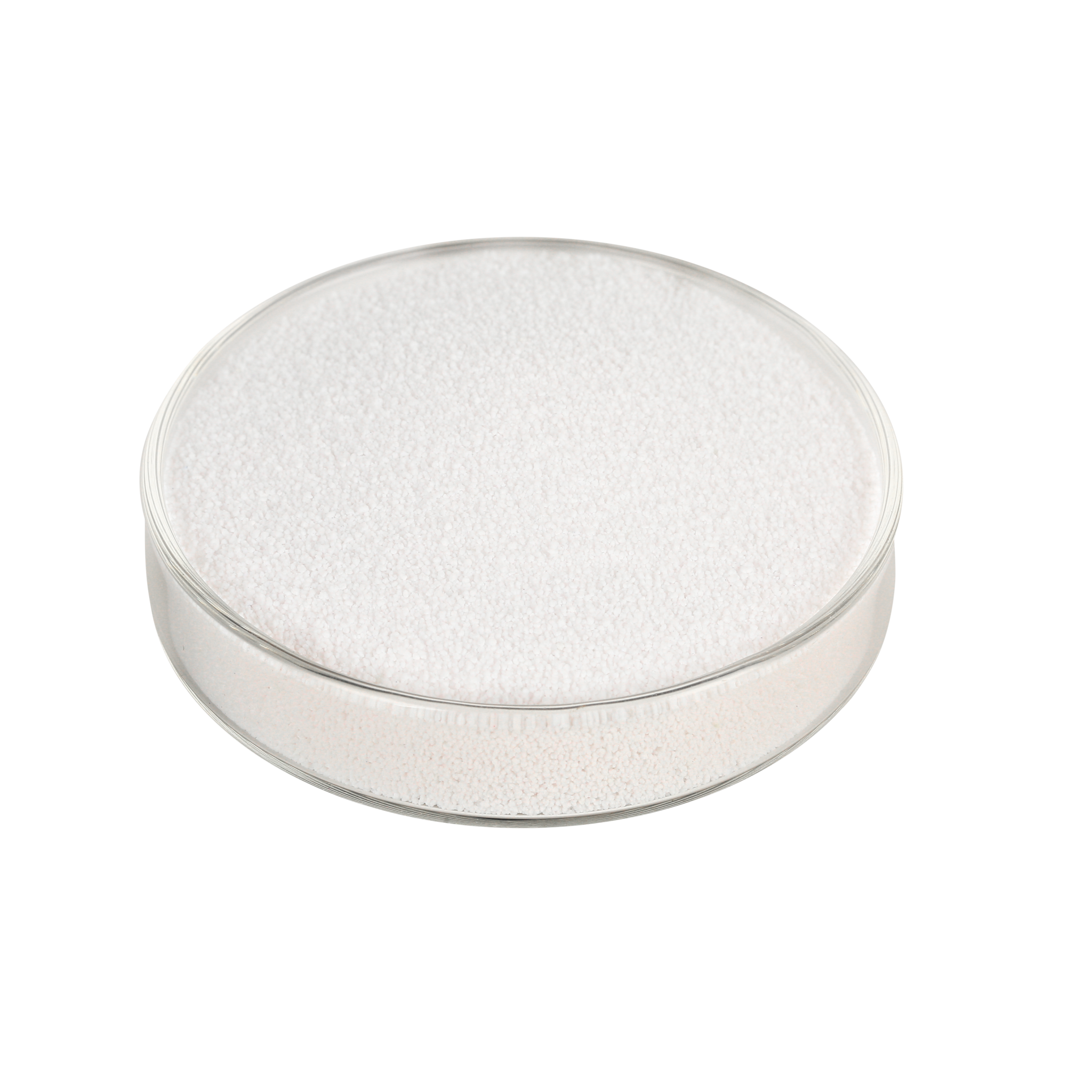
Manufacturers face a single persistent problem: choosing an abrasive that cleans effectively without damaging enamel or destabilizing the paste. This choice starts with hydrated silica and requires balancing particle size, surface chemistry, and moisture handling. Early formulation tests often reveal that what looks good on paper fails in dispersion or causes unexpected whitening abrasion; the practical difference is whether the batch moves to scale or stalls. I note the role of hydrated silica in toothpaste because it is the point where lab intent meets supply reality.
Technical friction points
Particle size distribution drives three failure modes: poor cleaning if too fine, excessive enamel abrasion if too coarse, and thickening or grit perception if irregular. Surface area and silanol activity affect thixotropy and fluoride availability. Bulk density and moisture content determine fill-weight variability and flow in automated lines. Suppliers may provide average particle size but omit the tails of the distribution; those tails cause batch-to-batch performance drift. Specify D10/D50/D90 values, BET surface area, and moisture limits to prevent surprises.
Procurement mistakes that break formulations
Buying on price alone triggers rework. Common mistakes: accepting vague technical data sheets, skipping on-site audits, and ignoring cross-contamination risk during transport. Price-driven buys often arrive with inconsistent surface treatments or inadequate deagglomeration, which force formulators to change polymer or surfactant levels. A clear procurement brief that ties material specs to functional tests — polishing index, dilution stability, and sensory panels — prevents late-stage reformulation.
Quality assurance, compliance, and practical experience
Trust follows traceable testing. I rely on repeated polishing-rate tests, IR for surface chemistry, and sieve analysis to confirm supplier claims. Regulatory context matters: the U.S. Food and Drug Administration guidance on oral-care product composition informs permissible functional claims and impurity limits, and therefore affects raw-material acceptance. For sourcing decisions and formulation trade-offs, teams often consult consolidated datasets about toothpaste raw materials when defining acceptance criteria. These checks reflect decades of formulation practice and published standards; they prevent the common error of equating supplier certificates with actual batch performance.
Testing protocol and lab sequence
Run a short, ordered protocol: 1) physical characterization (particle sizing, BET, moisture), 2) functional tests in a model paste (abrasivity, foaming, rheology), 3) accelerated stability at elevated temperature, 4) small-scale manufacturing run to surface any handling problems. Skip any step and you risk discovering issues under production conditions that are costly to fix. Record each run with consistent sampling points for meaningful comparisons across suppliers.
When alternatives make sense
Hydrated silica is not the only abrasive. Alternatives—calcium carbonate, aluminum hydroxide, and engineered polymer abrasives—offer different trade-offs in cost, whitening profile, and compatibility with active ingredients. Choose alternatives when sensitivity, fluoride interaction, or environmental constraints demand them. Run side-by-side polishing and sensory tests; let measured enamel loss and user perception decide, not supplier persuasion.
Conclusion and practical resolution
Resolve the initial problem by marrying precise specifications to on-site testing and clear procurement discipline. The right material choice appears where technical specs, lab evidence, and supply reliability align. For formulations that must move reliably from R&D to line, partnering with a supplier that publishes full characterization and supports scale verification removes ambiguity and shortens time to compliant production, as shown in collaborations with known oral-care materials providers like JSJ Silica.