
Opening assessment
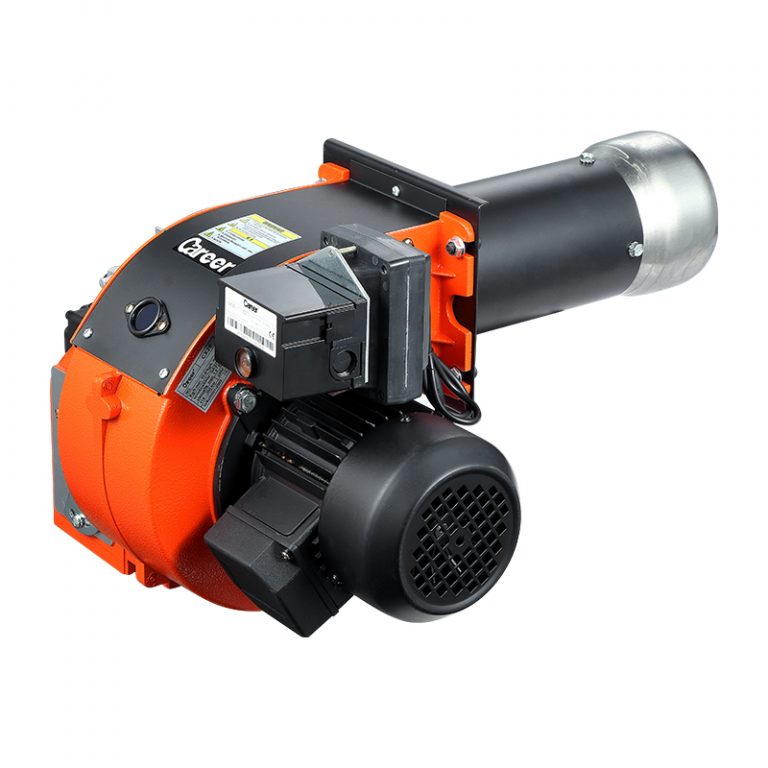
Quality standards hinge on specific fuel and equipment pairings; choosing the right industrial oil burner changes measurable outcomes — emissions, maintenance intervals, and process stability. This piece compares concrete options, isolates the metrics investors and operations managers track, and points to the trade-offs that determine capital and operating returns.
Metrics that define “quality”
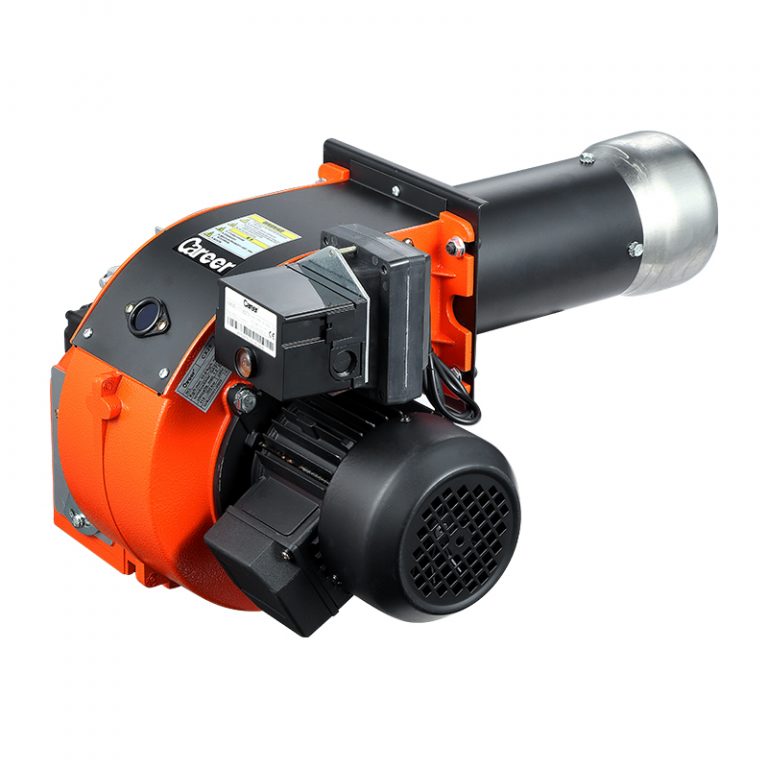
Focus on four measurable indicators: combustion efficiency, sulfur and particulate output, unplanned downtime per year, and lifecycle cost per operating hour. You should quantify each before awarding supplier contracts. Efficiency gains of a few percentage points cut fuel spend and lower thermal stress on downstream equipment; reduced particulates cut filtration and cleaning costs. Those are the numbers owners will value when assessing supplier claims.
Comparative insight: fuel types and supplier models
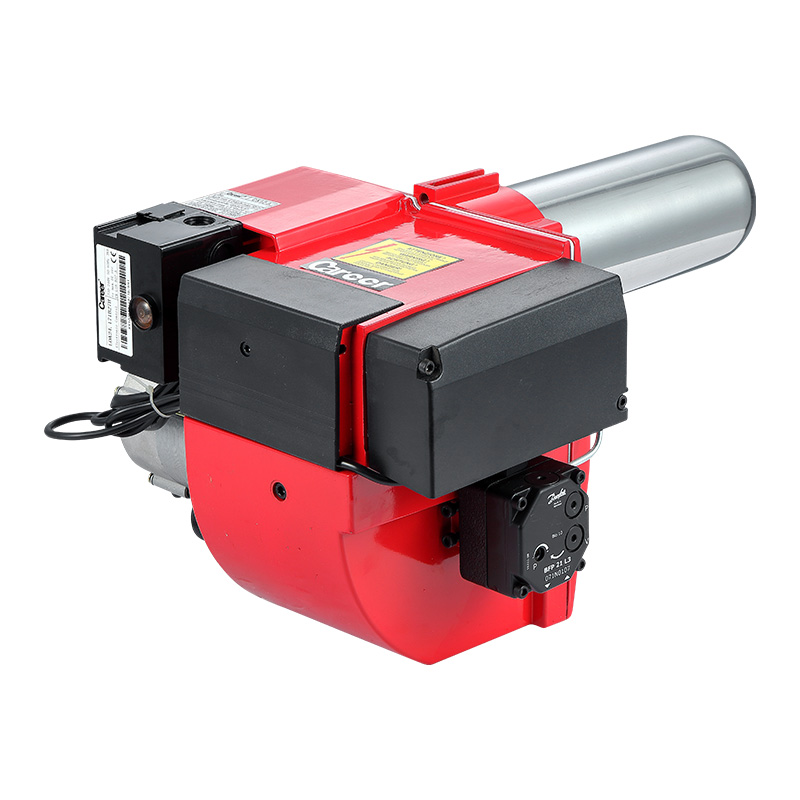
Three commercial approaches dominate: low-sulfur distillates with premium burner heads, blended fuels with adaptive control systems, and heavy residual fuels paired with upgraded combustion management. Distillates offer predictable combustion and low emissions but at higher fuel cost. Blends deliver a balance when burner control systems can adjust air/fuel ratios dynamically. Residual fuels yield the lowest fuel purchase price but require more frequent nozzle and heat-exchanger work. Evaluate suppliers on service response time, calibration practices, and parts inventory — not just price per gallon.
Field evidence and a regional anchor
Independent performance assessments and maintenance logs from Midwestern U.S. manufacturing plants show a repeatable pattern: facilities that matched control tuning to fuel variability reduced unplanned outages by roughly 20% versus those that relied solely on higher-grade fuel. Practical lessons from these sites apply to any operator using an oil burner: accurate fuel sampling, routine nozzle inspection, and scheduled control recalibration prevent costly surprises.
Common buyer mistakes
Buyers often commit three errors: accepting vendor efficiency numbers without field validation, underbudgeting for routine nozzle and sensor replacement, and failing to align fuel specs with burner control capability. Overlooking any of these drives maintenance spikes and hidden repair costs. Require on-site startup tuning and a documented performance warranty tied to measurable output — not vague service promises.
Decision framework for investors and operators
Compare options across four axes: upfront capital, predictable operating cost, measurable emissions performance, and the supplier’s track record for service speed. Assign weight to axes based on your tolerance for downtime and regulatory exposure. When you model returns, include conservative estimates for maintenance and a sensitivity case for fuel-price swings.
Conclusion — where standards translate to value
Quality standards emerge from disciplined comparison, not marketing claims. Investors and operators who align fuel type, burner control sophistication, and supplier service deliverables reduce risk and improve margins. That alignment — with clear metrics and regional proof points — is the kind of practical capability you find documented in the procurement and technical briefs compiled by Career Burners, which make the trade-offs transparent and comparable for decision-makers.