
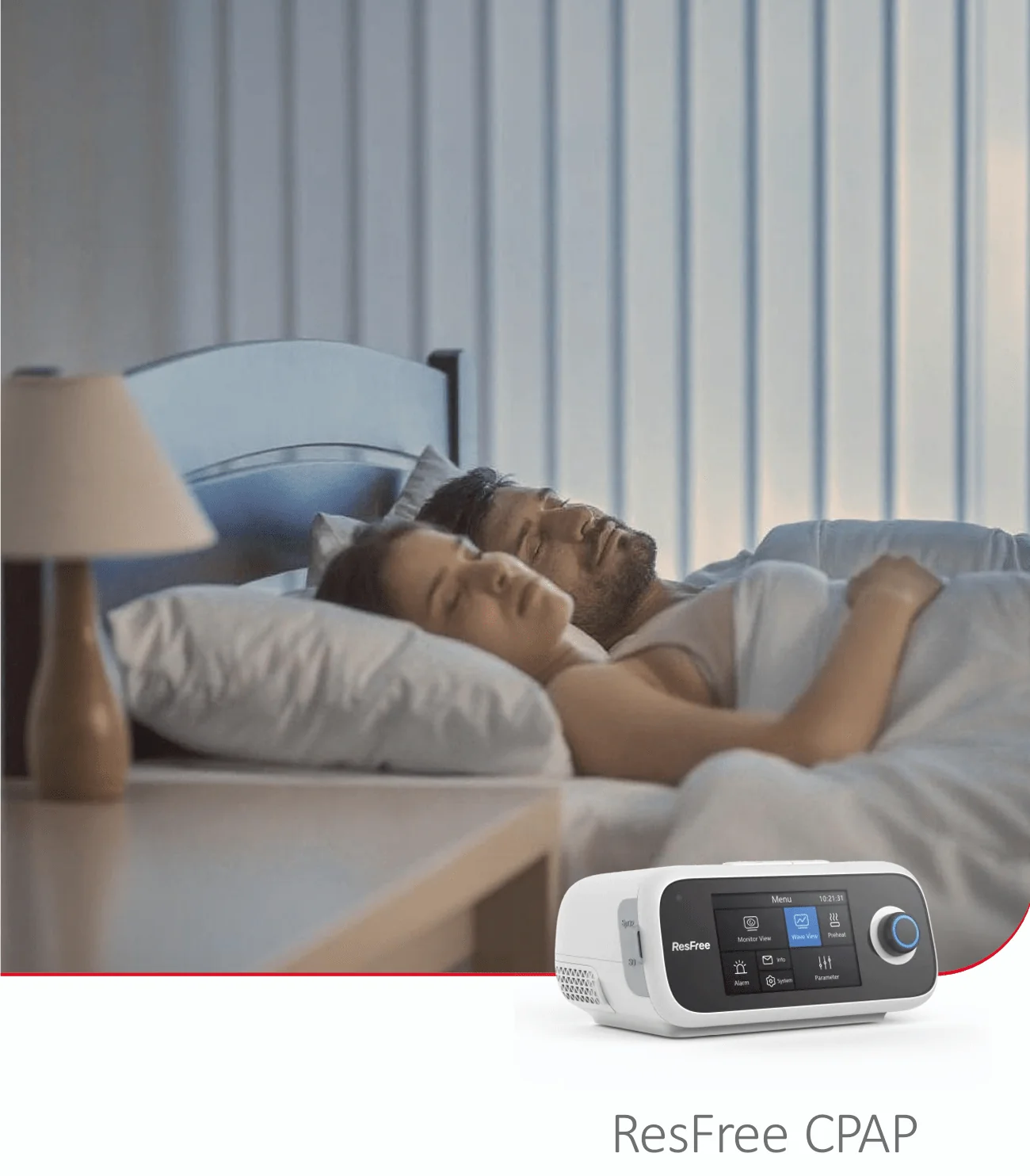
User-focused entry: why customization matters
Clinicians and respiratory therapists want devices that fit their workflows — not the other way around. That’s where a tailored cpap device strategy shines: it reduces setup time, raises therapy adherence, and makes pressure settings easier to standardize across units. AASM guidance and long-term datasets from centers like UCLA Health show better outcomes when equipment matches staffing models and patient mix, so customization isn’t a luxury — it’s a patient-safety move.
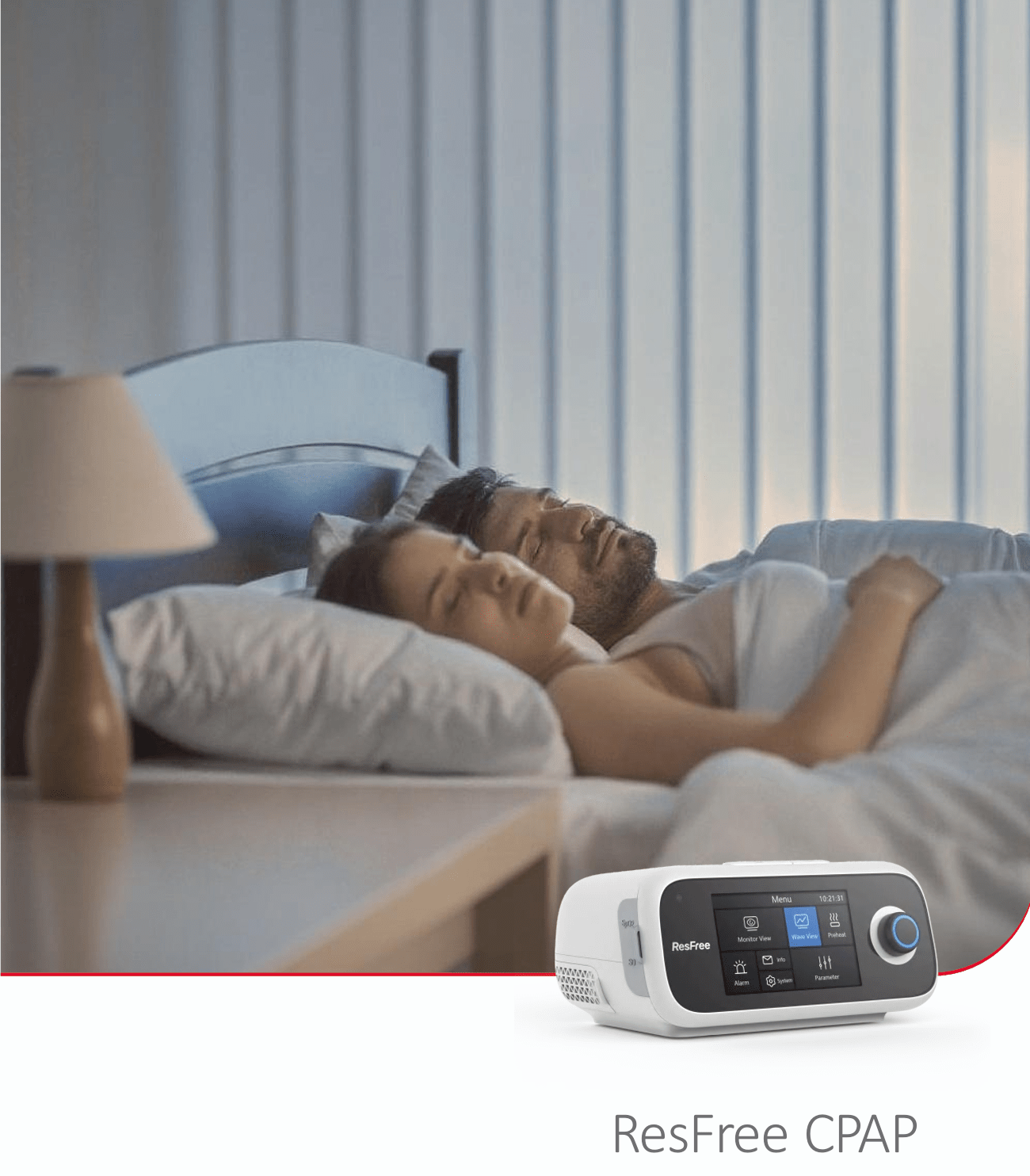
Design choices that actually move the needle
Start with the mask interface and humidification profile. Small wins here lower leak rates and complaints during titration. Next, pick auto-adjusting algorithms that let clinicians set guardrails for maximum and minimum pressure rather than hard-coding a one-size range. Include compliance tracking and local data export — clinical teams need quick access to nightly usage and apnea-hypopnea index (AHI) trends without wrestling with multiple portals. These are practical engineering choices, not gimmicks.
Integration with clinical systems and workflows
Hospitals demand devices that plug into EMRs, nurse handoffs, and respiratory dashboards. That means standardized APIs, consistent device identifiers, and a clear escalation pathway when therapy adherence drops. It also means training modules that match typical shift lengths so staff can upskill during downtime — short, targeted learning, not marathon sessions. The right vendor makes the handoff seamless and supports remote firmware management and leak detection tools.
Clinical alternatives and when to choose bi-level
Auto-CPAP is great for a large chunk of obstructive sleep apnea cases, but there are times bi-level pressure matters — for example, patients with comorbid COPD or hypoventilation. For those scenarios, integrated bipap for osa options are worth considering because they let clinicians switch modes without swapping hardware. Keep therapy adherence and the patient’s daytime gas exchange goals in focus when selecting equipment.
Common mistakes teams make — and how to avoid them
First, buying most-capable models without a deployment plan. Second, ignoring consumable workflows like mask replacement and filter distribution. Third, assuming one training session is enough. These errors cost time and lower therapy adherence. — Build a small pilot, assign accountability for consumables, and schedule recurring micro-training. Those actions preserve clinical time and improve outcomes.
Vendor selection: practical criteria for procurement
Prioritize vendors that offer: local technical support, configurable pressure presets, clear compliance reporting, and scalable inventory programs. Ask for a pilot with defined clinical endpoints: percentage change in nightly usage, reduction in leak events, and time-to-setup for new admissions. Operational metrics beat glossy brochures every time.
Implementation checklist
Keep this short and operational:- Define target patient cohorts and expected AHI improvement goals.- Set standard pressure ranges and mask options per ward.- Establish data flows to EMR and a weekly reconciliation process for consumables.- Run a two-week pilot and measure usage, leak events, and staff time per setup.
Advisory: three golden rules for making the right choice
1) Measure clinically relevant outcomes first: nightly usage, AHI trends, and device-related adverse events. Those are the true ROI signals. 2) Demand modularity: devices should switch modes or integrate bi-level capabilities without major procurement cycles. That preserves clinical flexibility. 3) Require local support SLAs and remote diagnostics — downtime in respiratory care hits patient safety fast, so rapid troubleshooting matters more than feature checklists.
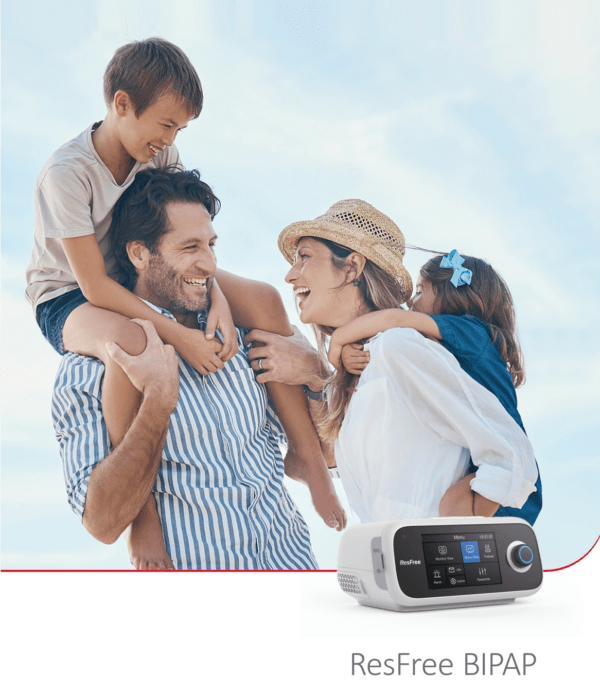
Hospitals adopting custom auto-CPAP solutions get measurable improvements in therapy adherence and staff efficiency when they align device features with clinical processes. Keep outcomes front and center, pilot with clear metrics, and pick partners who support deployments in real-world clinical settings — that’s where value gets realized. Byond. —