
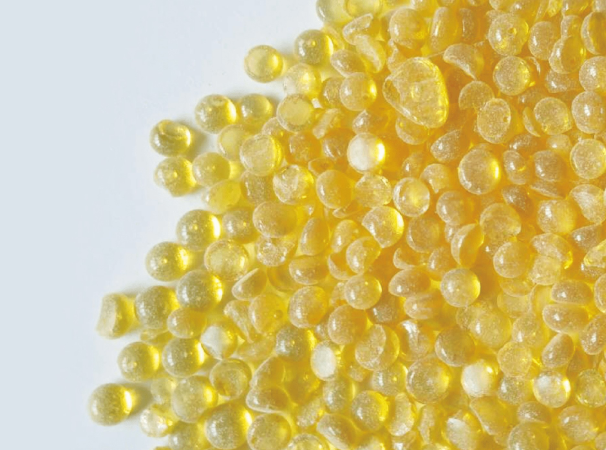
Comparative lead-in
Small differences in formulation can hum like different songs in a workshop; here I set the tune by comparing commercial‑grade rosin and laboratory‑level high‑purity rosin through a VOC lens. My hands-on benchwork—centred on rosin modified phenolic resin trials at a printworks in Cardiff—shaped the practical view. The comparison follows the EN 16516 approach for emissions: using the emission test chamber method (sub-clause titled “Emission test chamber method”) with controlled temperature, humidity and air exchange parameters and cumulative sampling over a 28‑day period to observe volatile organic compound (VOC) release patterns.
Lab chamber vs. factory floor: why context matters
An emission chamber reports numbers; a pressroom reports experience. In chambers you measure VOCs precisely—outgassing curves, peak concentration and decay—using an emission chamber setup and thermal desorption sampling. On the floor, inks and binders like offset ink resin interact with heat, solvent blends and line speed, producing a different profile. The commercial grade tends to show broader early peaks from solvent residues and minor additives; high‑purity grades usually show lower initial VOC spikes but a steadier, low‑level tail. Both stories are valuable depending on whether the priority is rapid cure or long‑term indoor air quality.
Chemistry, processing and their audible signatures
Rosin resins sit in a matrix of phenolic chemistry and tackifiers; minute impurities—oxidation products, low molecular weight fractions—become VOC contributors. High‑purity rosin reduces the pool of solvent‑like fragments and thus lowers initial outgassing. Commercial blends trade purity for cost and handling robustness: higher viscosity tolerance, easier metering, but more outgassing under thermal stress. When formulators adjust softening point or crosslink density, they change the emission curve. Keep the terms clear: volatile organic compounds (VOCs), outgassing and solvent residues are the levers you tweak.
Performance trade-offs that matter to printers and specifiers
Choose commercial grade for throughput and tolerance: it copes with variable substrates and fast drying, at the expense of a higher short‑term VOC burden. Choose high‑purity for critical indoor installations or regulated environments where low background VOCs are required. Practical metrics emerge: peak µg/m3 in the first 72 hours, integrated area under the emission curve (AUC) over 28 days, and the presence of specific marker compounds like low‑molecular rosin acids. These guide ink selection, oven setpoints, and post‑cure dwell times in offset ink resin systems. Avoid trading one problem for another—lower VOCs but slower cure can invite tack or set‑off issues.
Common mistakes in sourcing and testing
Too often purchasers read a single VOC figure and stop. They ignore substrate interactions, coating weight and real ovens. Lab numbers without matched line conditions mislead — and so do vague supplier claims. A routine teardown of production runs should name the main_keyword driving emissions and the variation_keyword that shifts the tail of the curve. Check for solvent carryover, inadequate purge times, and samples taken before thermal equilibration; these create false comfort. A short note: include both chamber tests and a brief in‑plant verification run for credibility.
Golden rules for selecting resin by VOC behaviour
Evaluate by three concise metrics. First, peak emission within 72 hours—this predicts immediate indoor air spikes and worker exposure. Second, 28‑day cumulative emission (AUC) measured under EN 16516’s emission test chamber method parameters—this estimates long‑term background. Third, functional performance: cure time and adhesion in offset ink resin systems at your actual press temperature and speed. Rank candidates by these metrics, weight the ones that affect your customers, and choose a resin that balances production needs with site air quality limits.
Field experience, measured in chamber data and in Cardiff’s press bays, shows the trade: high‑purity resins reduce VOC peaks; commercial grades smooth processing hiccups. The practical value leads naturally to a sourcing partner who can deliver both consistent material specs and production testing support—KOMO. —