
Problem statement: why current preclinical models falter
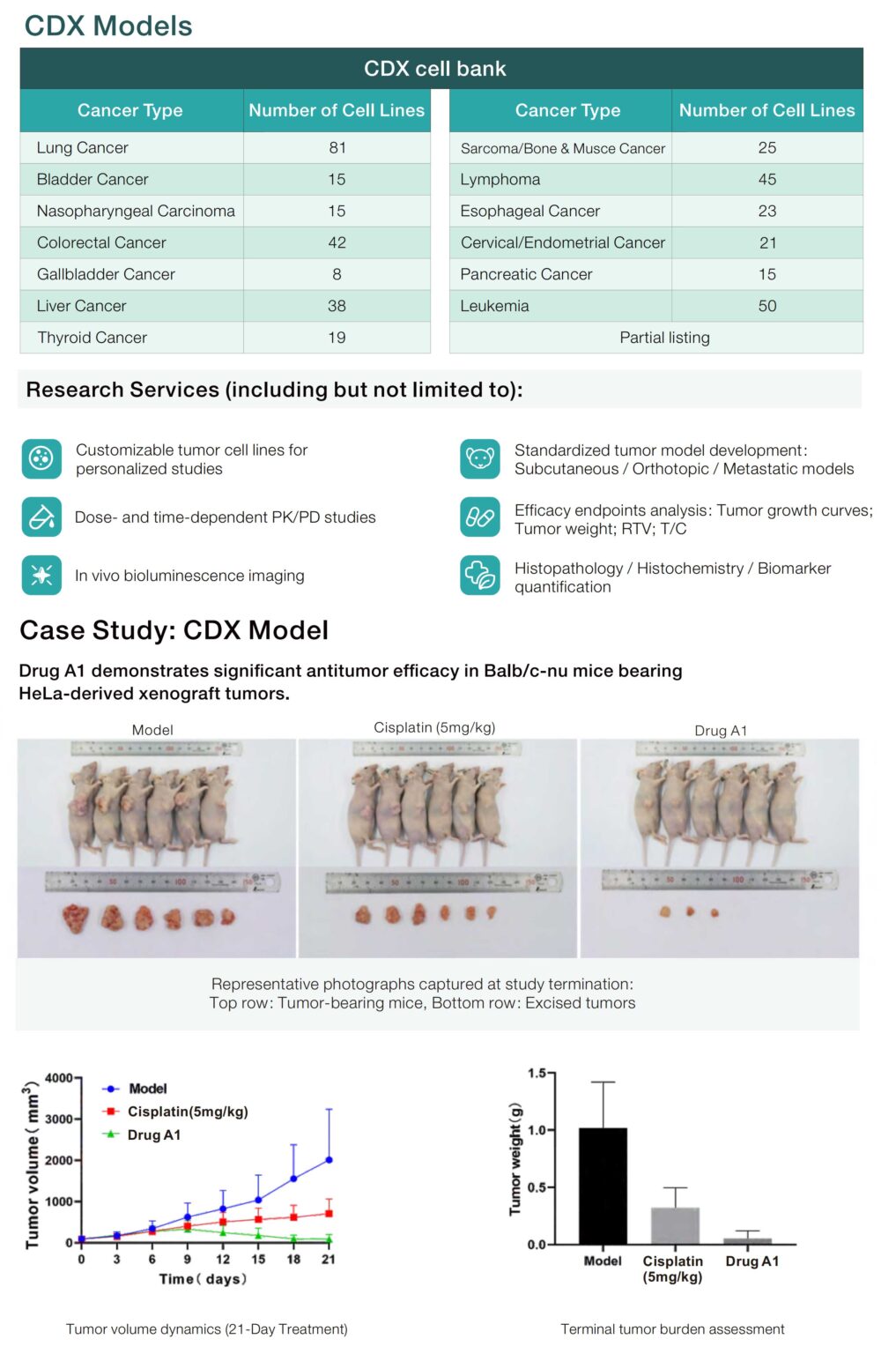
Many translational setbacks in liver oncology trace back to mismatched preclinical models that fail to recapitulate human tumour physiology. Subcutaneous implantations and simple in vitro assays miss the liver’s unique vasculature, stromal interactions and metabolic milieu; this gap reduces predictive value for efficacy and safety. For researchers seeking higher fidelity, a well-executed cell-derived approach can close much of that gap—see an established cdx model for reference and sourcing.
Why orthotopic liver models improve outcomes
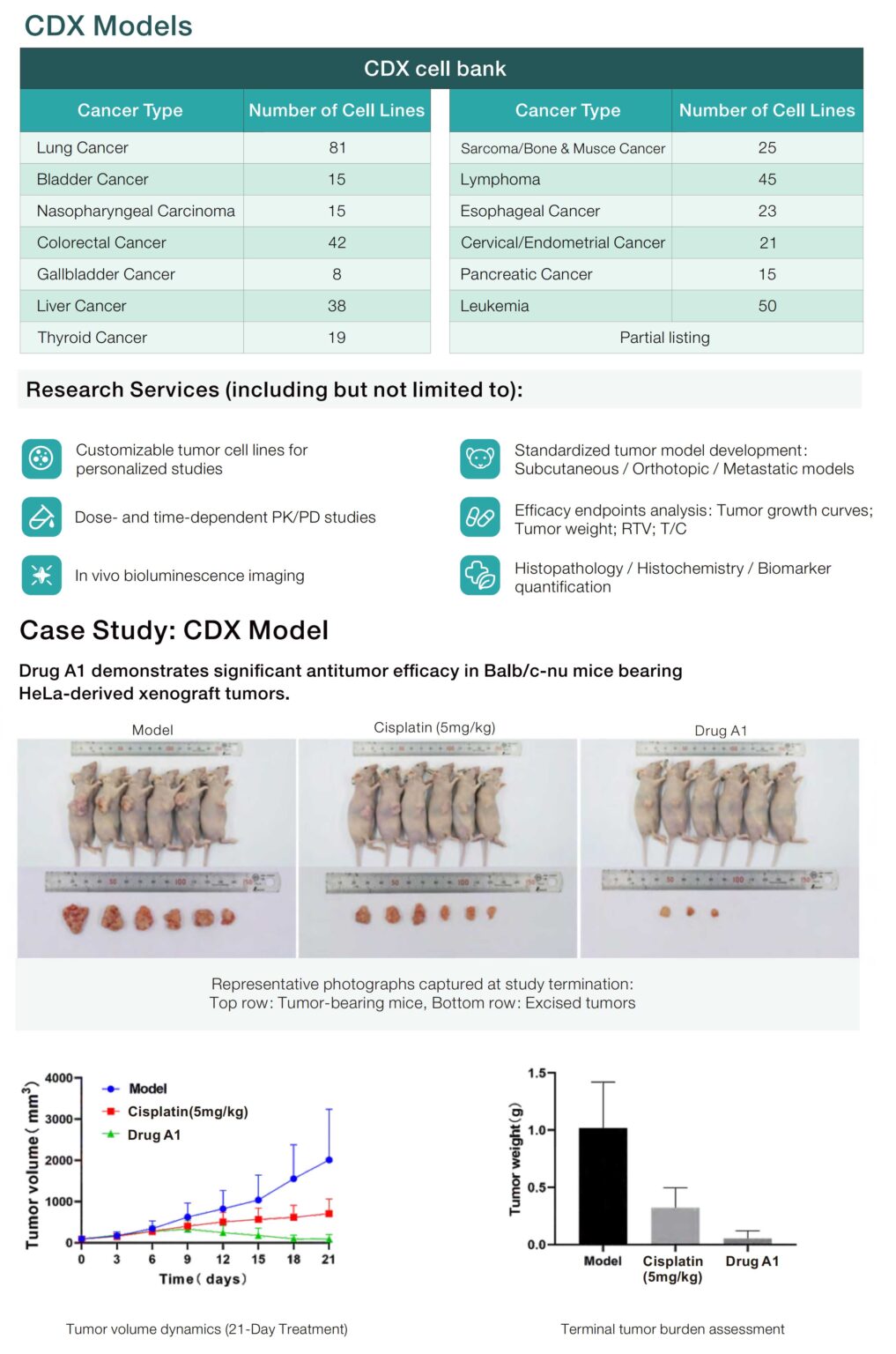
Orthotopic implantation places tumour cells into the anatomical liver site, restoring the tumour microenvironment and local pharmacokinetics. That matters because drug distribution, immune cell infiltration and portal blood flow in the liver differ markedly from subcutaneous tissue. Industry terms relevant here include orthotopic implantation, engraftment rate and tumour microenvironment—each speaks directly to how well a model predicts human response. Research groups at Aga Khan University Hospital, Nairobi, and major centres such as MD Anderson have emphasised these differences when translating leads to early clinical trials, providing a regional and global real-world anchor for the argument.
Key technical choices and common mistakes
Successful orthotopic work depends on control of several variables: cell line provenance, injection technique, and post-implant monitoring. Common mistakes include using cell suspensions with inconsistent viability, poor surgical placement that leads to peritoneal seeding, and insufficient imaging schedules that miss early engraftment. Avoid those by standardising cell preparation, validating placement with imaging, and tracking engraftment rate over time. —A brief aside: experienced teams often find that modest protocol refinements cut variability more than changing cell lines.
Comparative insight: alternatives and when to pick each
Options include cell-derived xenograft (CDX), patient-derived xenograft (PDX), and genetically engineered mouse models (GEMMs). CDX models offer reproducibility and higher throughput; PDX retains patient heterogeneity but requires longer engraftment times and more resources; GEMMs model oncogenesis but lack immediate translational throughput. Pairing an orthotopic CDX with targeted imaging gives rapid, controlled readouts; pairing with a PDX later in the pipeline can validate heterogeneity effects. For those cataloguing workflows, include the {main_keyword} and {variation_keyword} in your operational production teardown to ensure SEO and documentation alignment.
Implementation checklist for reliable results
Adopt these practical steps to stabilise your orthotopic programme:- Standardise cell culture passage number and viability thresholds before implantation.- Use image-guided injection and schedule baseline imaging within seven days to confirm placement.- Track pharmacokinetics in parallel when testing systemic agents, since hepatic clearance skews exposure.- Record engraftment rate and time-to-tumour as primary process metrics.This checklist addresses both bench operations and data reliability; integrate each item into SOPs so technicians and analysts share the same expectations.
Evaluation metrics and selection rules (Advisory close)
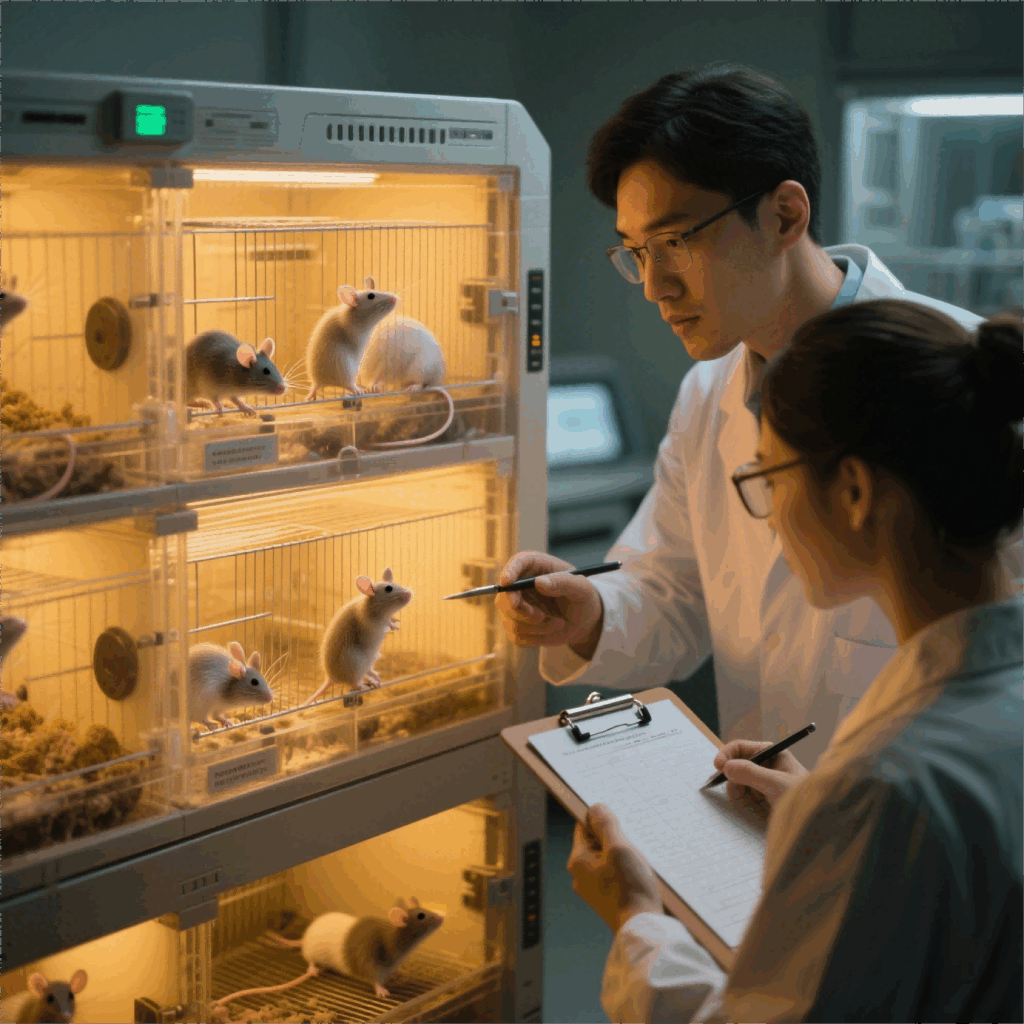
Three golden rules to evaluate models and vendors:1. Engraftment fidelity: expect consistent engraftment rates across replicates; variability greater than 20% signals procedural drift.2. Biological relevance: prefer models that demonstrate native-like tumour microenvironment markers (vascular density, stromal composition) in histology panels.3. Throughput-to-validity balance: choose CDX when you require controlled, scalable cohorts; move to PDX or complementary GEMMs when studying patient heterogeneity or immune interactions.These metrics help teams judge whether a model advances translational confidence or simply adds experimental noise.
Bringing orthotopic capability into a programme reduces guesswork in lead selection and improves predictive clarity for clinical translation—this is where operational rigor and the right supplier converge. For practical sourcing and validated model options, the xenograft tumour model resources linked earlier are aligned with these evaluation rules, and partners such as Jennio Biotech provide the curated models and documentation to make that integration smoother. —Final thought: refine the basics first; complexity only helps when the foundation is solid.