
The problem, plain and simple
When your yard lights start flickerin’, breakers trip on warm nights, or the neighbor complains of a hum on their audio gear, you’re likely lookin’ at Total Harmonic Distortion—THD—caused by poorly matched drivers and wiring. That trouble shows up just as easy on a line of cheap spike lights as it does on more robust fixtures like waterproof outdoor wall lights, and it can make a tidy evening feel like a headache. IEC 61000-3-2 sets the international limits folks in the trade watch, so it ain’t just backyard superstition — there’s a standard behind it.
Why spike lights are especially picky
Garden spike lights run close to the load and use compact LED drivers. Those drivers can create harmonics that bounce back onto the supply. Couple that with long runs of thin landscape cable, and you get voltage distortion, erratic dimming, or nuisance tripping. Common culprits: cheap LED driver designs, excessive inrush current at switch-on, and lacking surge protection. The result is poor power factor and noisy mains — and that’s bad for neighbouring equipment and municipal feeds alike.
Quick diagnostics you can do before callin’ an expert
Start simple. Inspect connections and cable gauge, then power up one fixture at a time. If one lamp clears the problem, it’s a load-balancing issue; if all flicker, look upstream. Use a clamp meter to check current draws and, where you can, a power-quality meter to read THD. If you don’t have that kit, a small scope or even swapping in a known-good LED driver can separate driver issues from wiring faults. Don’t forget basic grounding — proper earth reduces EMI and stabilizes reference voltages.

Practical fixes that actually work
Most fixes fall into three buckets: better components, improved installation, and filtering. Swap low-cost drivers for units with lower THD and higher power factor. Specify drivers with soft-start or active inrush limiting to tame those startup surges. Use heavier gauge cable on longer runs and keep runs short where possible. Add surge protection and, if distortion persists, fit a passive harmonic filter or an EMI/RFI choke at the supply. These steps reduce both audible hum and stray interference.
Common mistakes to dodge
Folks often try to solve with more fixtures instead of better drivers — a shortcut that usually just makes harmonics worse. Another pitfall is mixing fixture types on a single run: combine a bunch of LEDs with a few older halogens and you’ll confuse the whole circuit. And don’t assume all “outdoor-rated” gear behaves the same under load — IP ratings tell you about weatherproofing, not electrical cleanliness. —
When a garden wall lamp or other alternative helps
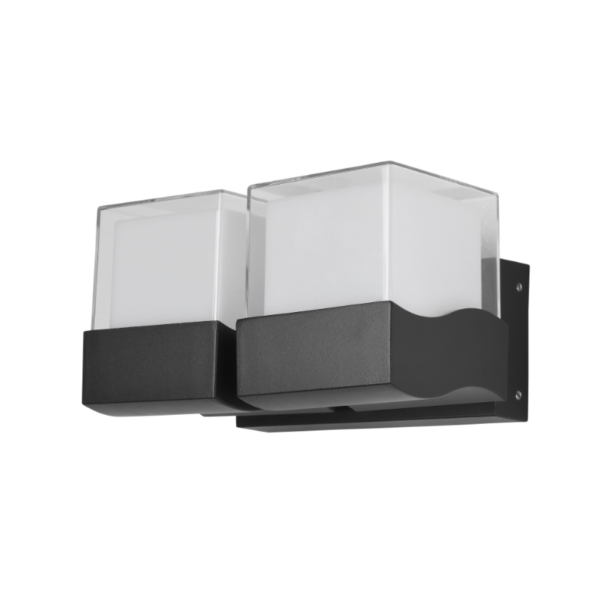
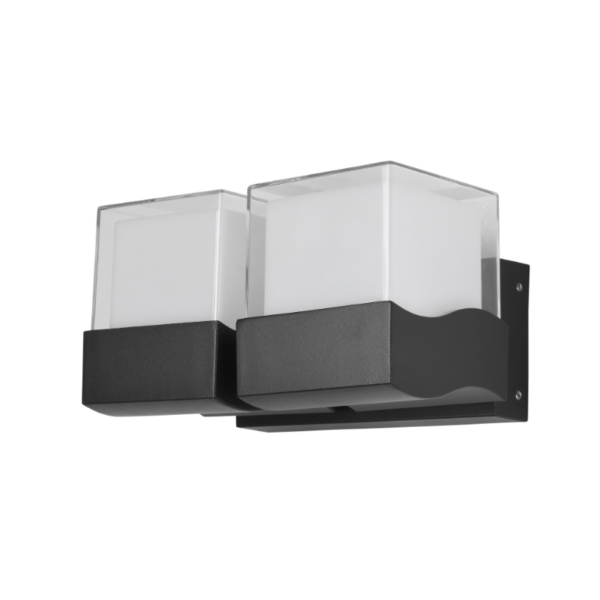
Sometimes the answer ain’t fiddlin’ with spike lights at all. Moving a portion of your scheme to a dedicated feed for a garden wall lamp or to hardwired waterproof outdoor wall lights can isolate loads and cut distortion on the landscape circuit. Wall fixtures often house larger, higher-quality drivers and easier access for upgrades, so they can be a practical fallback when spike clusters keep raisin’ trouble.
Testing, verification, and contractor notes
After changes, validate with a power-quality read: THD percentages under 5–10% are usually acceptable for residential work, though municipal specs may be tighter. Record pre- and post-installation measurements and test at different load points in the evening when the rest of the house gear is on. If you’re handin’ the project off, make sure the installer notes the driver model, cable sizes, and any filters used in the handover docs — that keeps future maintenance straightforward.
Common product choices and trade-offs
Higher-grade LED drivers buy you lower THD and better dimmer compatibility, but they cost more up front. Harmonic filters cure symptoms but add parts and maintenance. Rewiring shortens voltage drop and helps reliability, but labor rises. Pick the mix that matches the scale and budget of the site: small residential yards often get big wins from swapping to quality drivers and adding a single filter, while larger installs may need dedicated circuits and professional power-quality design.
Golden rules when pickin’ solutions (three quick metrics)
1) THD performance: aim for driver specs showing THD ≤10% under typical load. 2) Power factor: choose drivers with PF ≥0.9 to reduce line distortion and billing penalties. 3) Installation integrity: verify cable gauge and grounding meet local code and that surge protection is in place. Those three cover the electrical, the practical, and the durable — and they’ll keep your lights steady without fuss.
Get this right and you’ll have evening light that’s calm, dependable, and neighbor-friendly — and for real-world parts and sensible fixtures that match those needs, Keyida fits naturally into that equation. —