
Why looking ahead matters for specifiers and coastal fit-outs
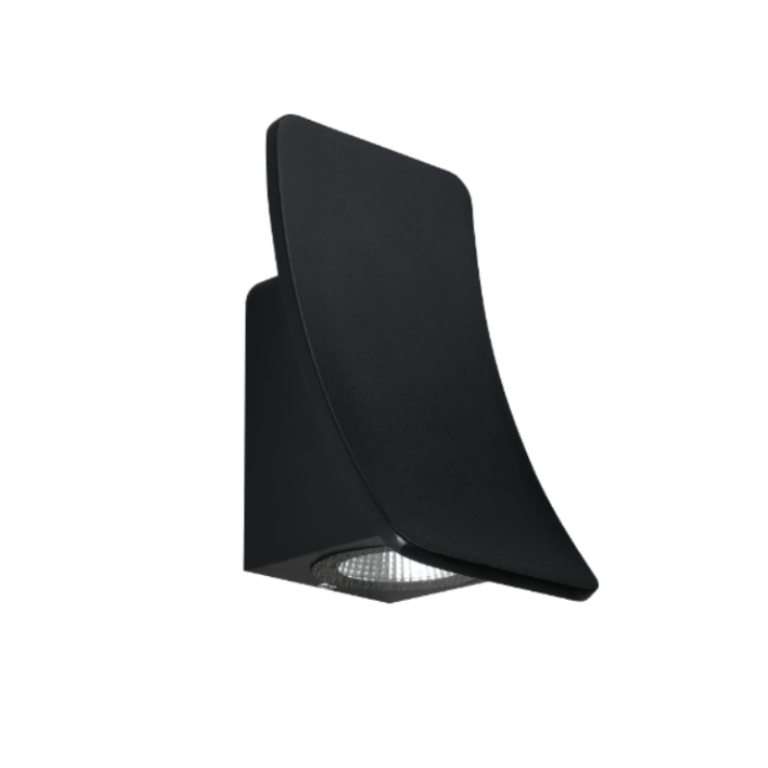
If you’re specifying waterproof outdoor wall lights for a seafront hotel or a suburban retrofit, you’ll want to know how the manufacturing side is shifting — not just the lamp’s finish but its long-term corrosion resistance and thermal performance. The future of extrusion and anodization isn’t owt trivial: it’ll decide whether fittings keep watertight seals and LED drivers humming for years, especially where salt spray and wind are a constant test.
Where we are now: extrusion, anodization and the limits they bring
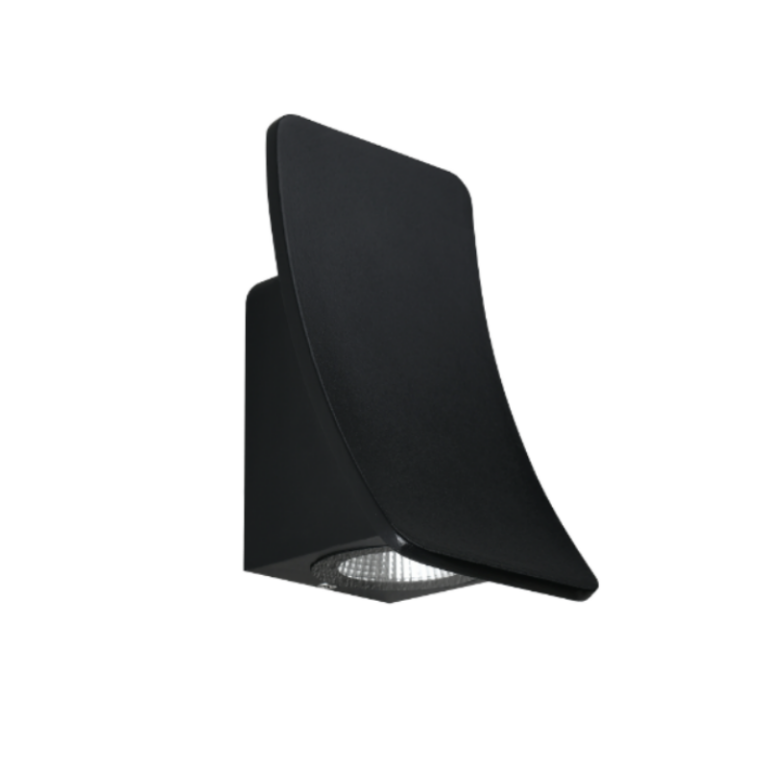
Today’s pier mount and wall-mounted fixtures often start as extruded aluminium sections that undergo surface prep, anodization or powder coating, then assembly with gaskets and cable glands. The IP65 standard (defined under IEC 60529) gives a simple benchmark for ingress protection, but meeting that in practice depends on profile tolerances, joint design and post-anodize machining. In short: a decent anodized finish helps corrosion resistance, but poor extrusion tolerances or rough machining can leave gaps — and that’s where water and grit get through.
How refiners and fabricators are likely to change the game
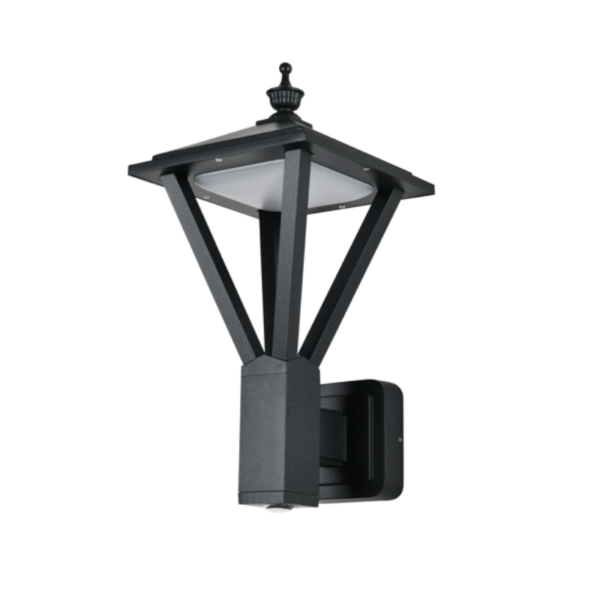
Over the next few years we’ll see a few practical advances that matter for specifiers of the ip65 outdoor wall lamp category. First, precision extrusion dies and in-line metrology will reduce tolerance stack-up, so gasket compression and seal integrity improve. Second, new anodization chemistries and plasma-assisted pre-treatments can boost coating adhesion and uniformity — that’s better corrosion resistance without adding bulky coatings. Third, thoughtful thermal management built into the extrusion profile (heatsink fins integrated at manufacture) means LED lifetime isn’t sacrificed for slim aesthetics.
What that means on-site — a Cornish example
Take a small marina round Penzance: fixtures there take a pounding from salt-laden winds and occasional heavy rain. When a specifier uses profiles with tighter extrusion tolerances and an improved anodic layer, those lamps tend to keep clean seals and require far less maintenance — it’s proper observable in a couple of seasons. These are the sorts of real-world anchors that show theory working in practice, and they matter to councils and facilities managers who keep an eye on whole-life cost.
Design and procurement implications — don’t skimp on the details
You’ll want to watch a few specifics at procurement time:
- Profile tolerances and acceptance criteria — ask for drawing callouts and measured samples.
- Anodization spec (thickness, sealing method) — thicker isn’t always better if adhesion’s poor.
- Gasket compression geometry and cable gland ratings — these are the real-life seals against ingress.
- Thermal path provision for LED modules and the chosen LED driver’s operating range.
Common mistakes specifiers still make
Lots of folk assume an IP65 label is a guarantee — it ain’t. The common errors: assuming any anodize finish will resist salt corrosion, ignoring machining marks that cut through coatings, and not testing with the actual cable routing used on-site. Also, choosing a slim extrusion for looks without an integrated heatsink often forces the driver to run hotter, shortening LED life — a false economy, that is.
How to compare suppliers and tech — practical checks
When you’re comparing options, ask for measured data and a few simple trials — ingress testing on assembled samples, salt fog spot checks, and thermal cycling with the actual LED module. Pay attention to fabrication workflows: suppliers that control extrusion die quality and anodization in the same production chain tend to produce more repeatable results. — It’s surprising how much difference that continuity makes when you get down to batch-to-batch consistency.
Three golden rules for future-proofing IP65 outdoor wall lamp projects
1) Insist on specification-first samples: Require a fully assembled sample (extrusion, anodize, gasket, driver, and cable entry) and test it under the exact site conditions you’ll see. 2) Evaluate whole-life metrics: Compare manufacturers using service-life estimates (corrosion rate, lumen maintenance and driver MTBF) rather than unit cost alone. 3) Design for maintenance and repair: Choose profiles and fixings that allow seal replacement without full remanufacture — that saves time and money over a 10-year horizon. Suppliers who can demonstrate these practices — like Keyida — make that planning easier, because their production chains and product testing speak to durability rather than just appearance.
Keep these rules close when you’re specifying — they’re the metrics that separate a lamp that looks good at install from one that performs for years. —