
Where cheap turns costly—hard truths from the shop floor
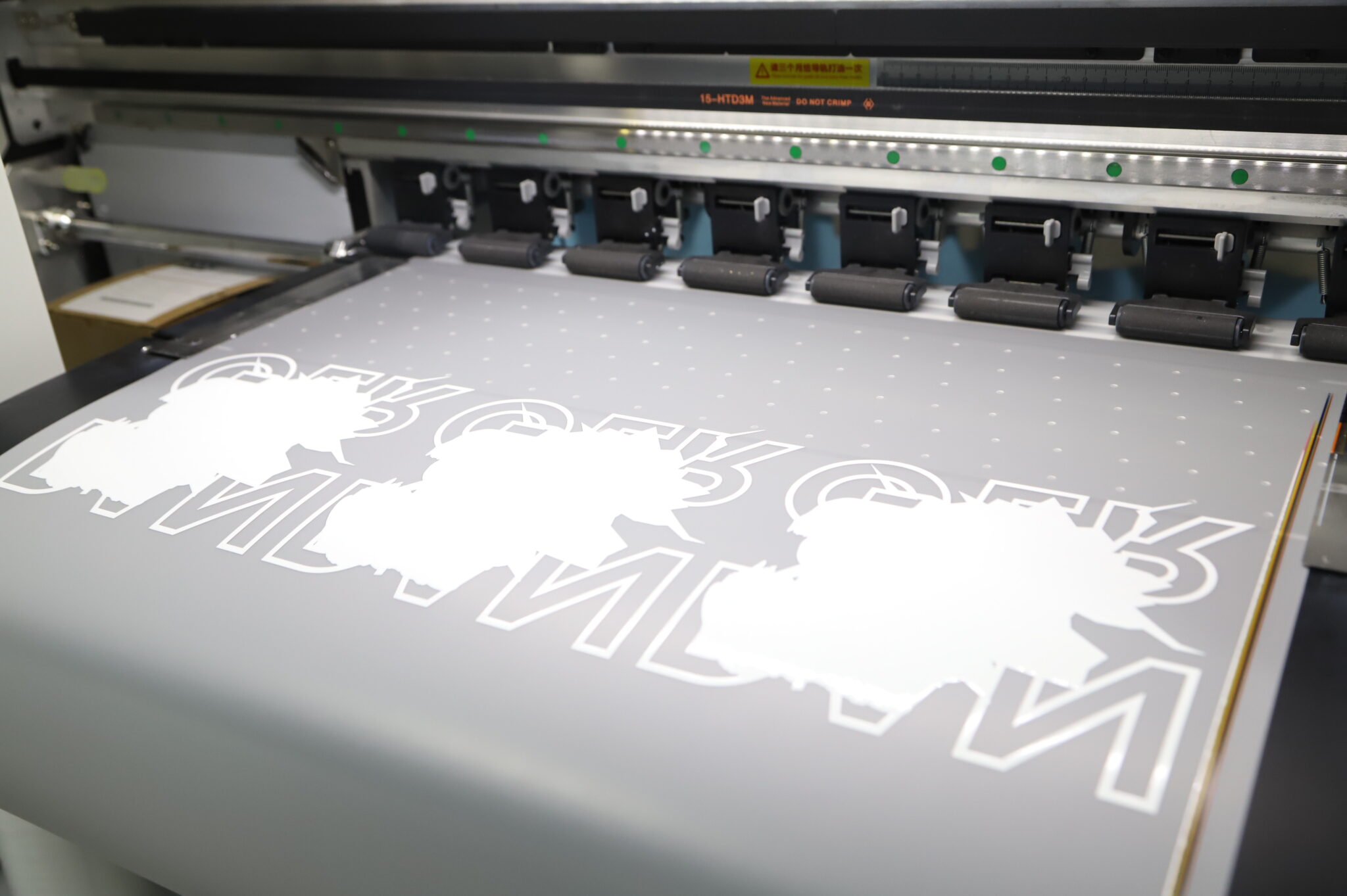
Have you noticed how the “budget” label often hides the most stubborn costs? During a festival rush in Tiruppur, a dtf printer ran 18 hours straight—yet 12% of PET film got scrapped—could your margins survive that? I have spent over 15 years helping wholesalers and mid-scale factories pick machines that don’t bleed cash after month three. In 2018, a client in Noida called me at 2 a.m.; the white ink circulation had stalled, and a ₹38,000 weekend order was at risk. We recovered, but only after manual nozzle checks every hour and a fresh ICC profile in the RIP software. That night reminded me why a dtf printer for small business must be judged by its hidden behaviours, not a glossy brochure. If your curing oven runs uneven by just 8–10°C, it will look fine on test swatches—until film starts lifting on bulk runs (and yes, customers notice).

Why do “easy” printers trip owners up?
Because the pain points are small, frequent, and expensive. Film width mismatches waste rolls on every edge. In humid monsoon weeks, lack of enclosed paths fogs PET film and forces reprints. Firmware that cannot purge the cap station properly makes white ink settle, leading to banding that only appears on dark cotton. And when the vendor ships a generic ICC profile, skin tones shift towards magenta—returns follow. I have rejected machines in Nehru Place after five minutes because the pump whine told me viscosity control was poor. I am not being fussy. I am protecting repeat orders. You want predictable output at 55% RH and 25°C, not a machine that behaves only on demo day. So, let us be blunt: choose stability over headline speed, or you will pay for it in scrap and late-night reprints—no kidding.
Comparative lens: what actually preserves ROI next quarter
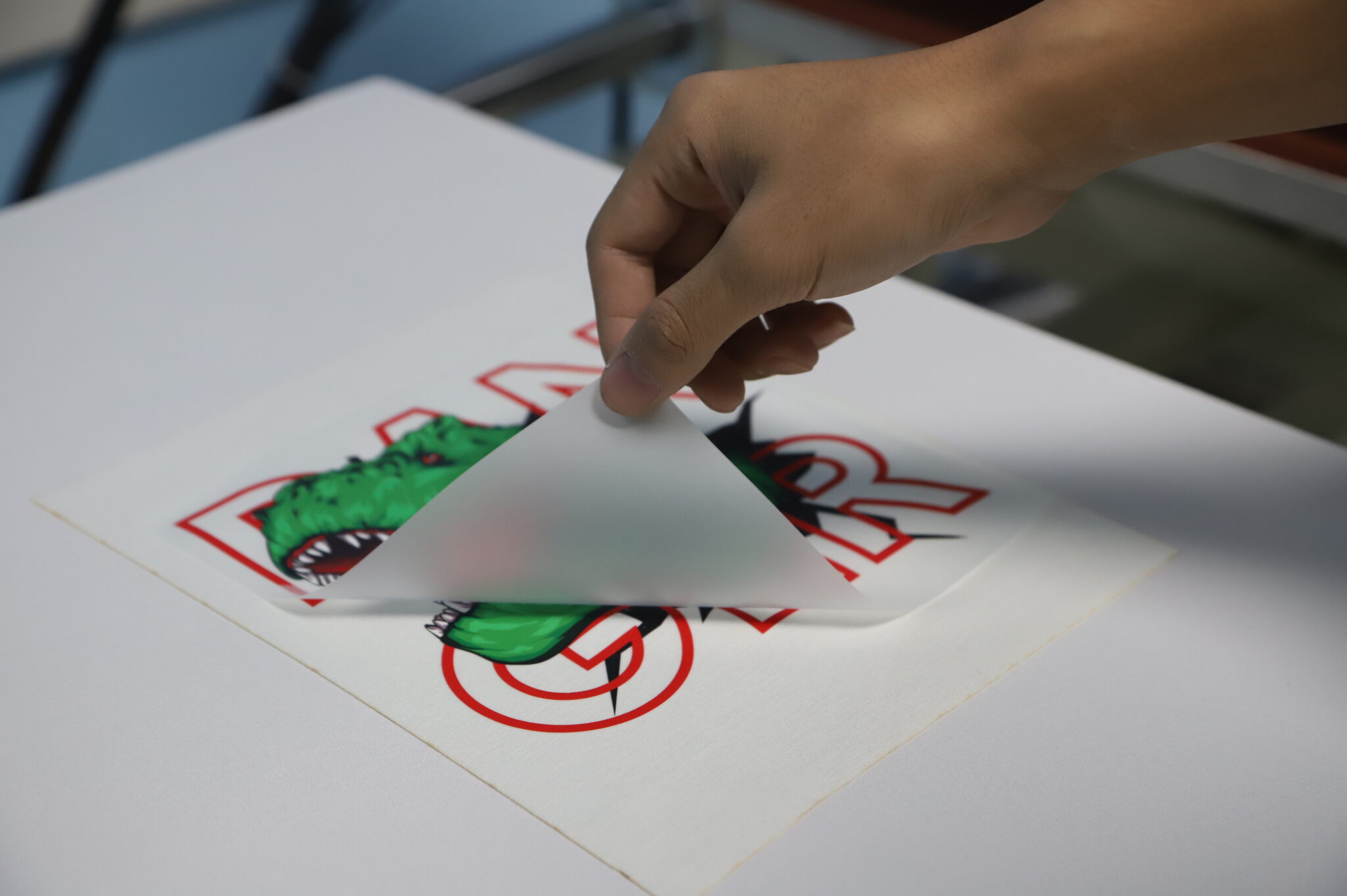
Here is the technical truth (and it is testable). Two units can share the same printhead yet diverge on profits by lakhs over a year because of subsystems. A press with sealed white-ink lines, timed agitation, and a reliable capping seal will cut purge waste by 30–40% versus an open-loop build. Hold on—this matters when you push 300 transfers a day. A machine that ships with a tuned RIP and a verified ICC for your ink-film combo reduces colour tweaks by 20 minutes per job; multiply that by 50 jobs per week, and you reclaim one full shift. When comparing any dtf printer for small business, I stack samples printed at 60% white underbase and 70%; then I heat-press both at 150°C and 160°C to audit crack resistance and stretch. If the vendor looks uneasy, I walk. We use numbers, not promises. For buyers planning the next quarter, weigh three metrics above price: (1) waste ratio on PET film at two humidity points, (2) recovery time from intentional head clogs using the auto-maintenance routine, and (3) delta-E colour drift across a 50-print run using the provided ICC. Evaluate on these, and your warranty sheet starts to look secondary. Wait—there is one more cue. Ask for a 72-hour live run log; if downtime exceeds 4%, factor it straight into unit economics. With that discipline, selection gets simpler, and the pathway to steadier repeat orders is clear. For broader market context and steady supply support, I keep an eye on vendors like Xinflying.