
Introduction: What Early Fault Detection Means on the Shop Floor
I start with a simple definition: early fault detection is the set of methods we use to find small defects before they become big failures. For an electric motor manufacturer, that means watching the stator, rotor, windings, and power converters for tiny signs of wear. Picture a line where one cell has a 2% higher vibration reading than the rest — the data says that cell will fail in weeks unless we act (that little blip often hides bigger issues). So, what do we do with that signal? How do we choose between a quick fix and a full redesign? These are the questions that guide the rest of this playbook. Now, let’s move into the common blind spots we see on the floor — and why they matter.
Deep Dive: Why Traditional Fixes Miss the Real Problem
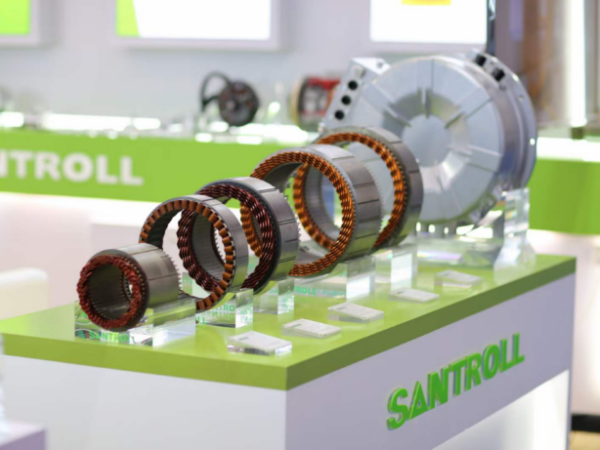
boat motor manufacturers and land-based makers share a stubborn habit: we patch symptoms, not causes. I’ve seen teams replace bearings and call it a day while the root cause—an imbalanced rotor or a bad winding—keeps working away. Look, it’s simpler than you think: if you ignore torque ripple, you’ll chase bearing noise forever. Traditional checks are reactive. They rely on visual inspection, basic vibration scans, and routine thermal readings. Those methods catch obvious failures. But tiny changes in flux patterns or early insulation breakdown often slip past. We miss early partial discharges. We miss sub-millimeter misalignments. The result? Short-lived fixes and repeat downtime.
Here’s the deeper pain: many maintenance plans assume steady environmental conditions. They don’t account for intermittent overloads or power quality dips caused by poor power converters or grid issues. I’ve logged cases where edge computing nodes sent a “normal” health message while the inverter had been running a marginal waveform for weeks — then bang, a coil shorts. Teams also underuse trending analytics. Data sits in logs. No one connects an uptick in harmonic distortion to increased core heating. So we keep swapping parts. That costs time, trust, and margin. — funny how that works, right?
Why do we keep fixing the same thing?
Because our tools and workflows were set up for large, obvious failures. They weren’t tuned for early, subtle faults. We need to change that mindset.
Forward-Looking Principles: How New Tools Change the Game
Now let me explain the key principles I believe will shift outcomes. First, move from snapshot checks to continuous sensing. Sensors on the stator and rotor that stream vibration, current signature, and temperature let us see trends before they spike. Second, pair that sensing with simple on-device processing — little edge computing nodes that flag anomalies locally. Third, close the loop with automated triage: if current signature analysis shows growing harmonic content, the system recommends a focused inspection rather than a full teardown. When I advise a motor manufacturer, I push for these three building blocks together, not piecemeal. Each piece alone helps; together they cut false positives and missed faults.
The tech itself is approachable. You don’t need exotic AI models right away. Start with threshold-based alerts, add spectral analysis for current and vibration, then move to simple classification models. That said, integration is the hard part. You must map alerts to repair actions and ensure operators trust the system. We test changes on a single line first. We watch the metrics: reduced mean time to detect, fewer repeat repairs, lower scrap. And we iterate. — well, I bet you didn’t expect that the cultural work is half the project.
What’s Next?
Look forward: predictive maintenance will become standard because it saves money and boosts reputation. But adoption depends on measurables. So here are three practical metrics I use to evaluate a solution: 1) Detection lead time (how many days before failure we warn); 2) False positive rate (how often the system cries wolf); 3) Repair efficiency gain (time saved per repair, and parts avoided). Use them as your scorecard.
To sum up, we must stop treating symptoms as causes. I’ve walked shop floors where a simple current signature change predicted a winding fault days before visible damage. We moved fast. We avoided a week of downtime. These are the wins you can repeat when you combine sensor data, local processing, and clear action plans. If you want to see a pragmatic example or talk through implementation choices, I’m happy to walk through a checklist with you. In my view, the right steps are simple, and they pay off quickly. For practical partners who build reliable motors, consider reaching out to Santroll — they do this work with the kind of shop-level detail we just talked about.