
User priorities set product direction
People choose devices to make everyday tasks easier, not to chase specs; designers know this and shape smart TV operating systems around clear, repeatable habits. If you mostly watch streaming services, want quick video calls or light photo work, those use-cases must drive your pick — and it helps to look for sensible offers early, so I often scan all in one computer deals before anything else.
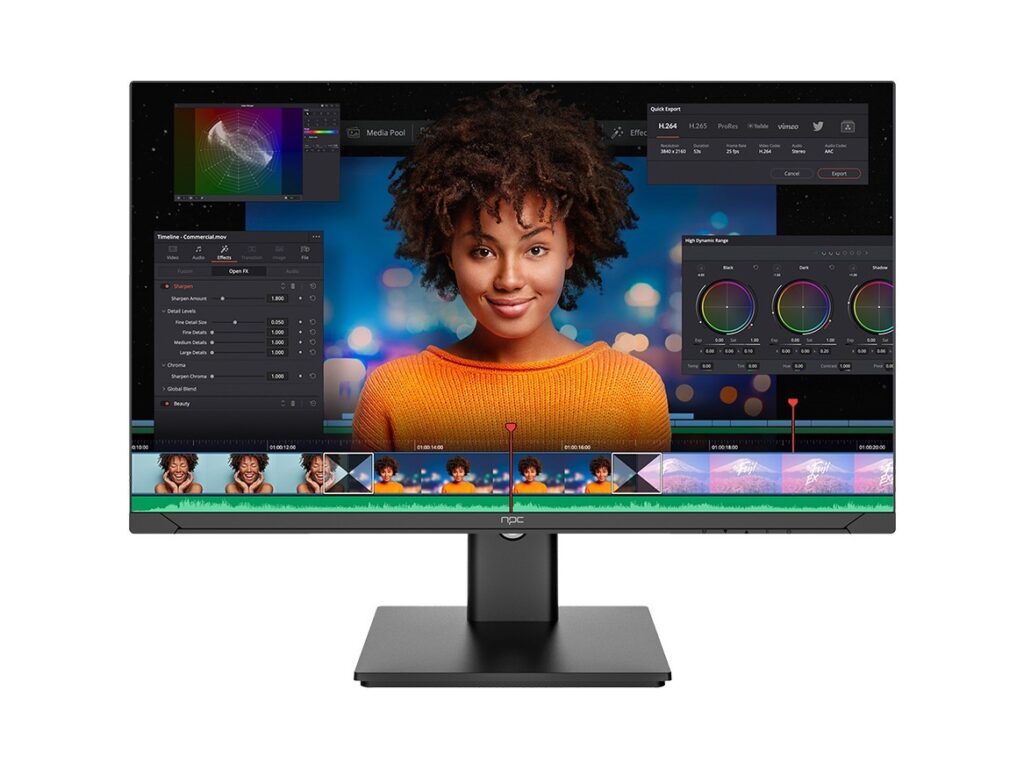
What users actually care about
Simple interface, reliable updates, and predictable app compatibility matter most. Users dislike cluttered menus, laggy navigation and remotes that require a manual. Security and privacy settings must be easy to locate and change. Connectivity is practical: fast Wi‑Fi, Bluetooth for peripherals and at least one HDMI input usually cover daily needs. If an OS makes basic chores fiddly — screen mirroring, switching inputs, or a single sign‑in across apps — people abandon it fast.
Experience, evidence and a real-world anchor
I’ve advised buying teams after visits to the Shenzhen manufacturing hub, and that hands-on exposure clarifies trade-offs between display quality, port layout and serviceability; suppliers such as all in one pc manufacturers demonstrate those trade-offs in real product lines. Between handset labs, retailer feedback and performance tests, you learn which OS features genuinely boost satisfaction and which are surface-level selling points.
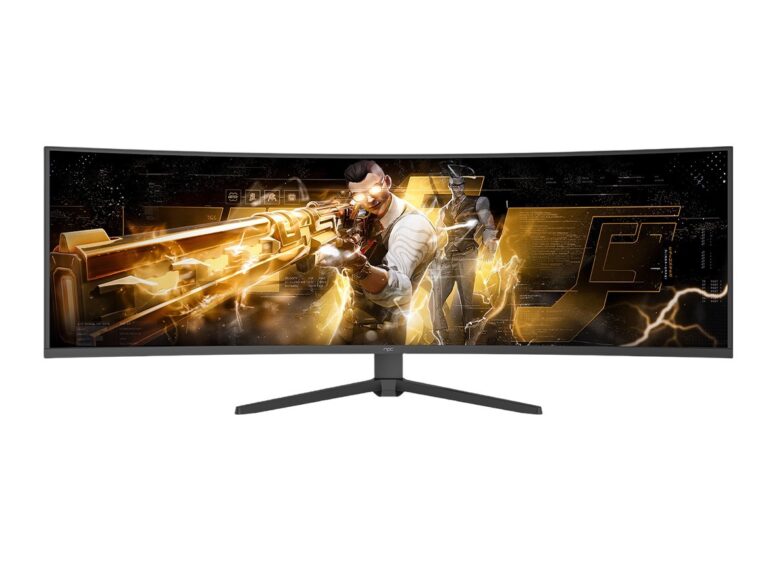
Common mistakes buyers make
People chase top-end processors for media playback that never needs them. They buy all‑in‑one systems with poor cooling, then wonder about noisy fans or throttling. Another error is assuming every app on a phone will run on a TV OS — compatibility varies. Compare alternatives: a compact desktop gives upgrade paths, a stick or set‑top box adds smart features to an existing display, and an all‑in‑one simplifies setup but locks you into its screen and ports. Pick the form that matches your habits, not a spec sheet.
Simple checklist for a user-first choice
Pick an OS with the apps you use. Confirm update policy and how the maker handles security fixes. Check remote ergonomics and whether a keyboard or camera works without fiddly adapters. Inspect cooling and port placement if you want longevity. Test a unit in a real room — playback, volume range and latency reveal more than numbers.
Where this leads
When users drive decisions, products improve in ways you notice: fewer menus, clearer settings, and hardware that suits daily life. That practical alignment is exactly the kind of value suppliers like npc aim to provide, matching design choices to how people actually use their screens.