
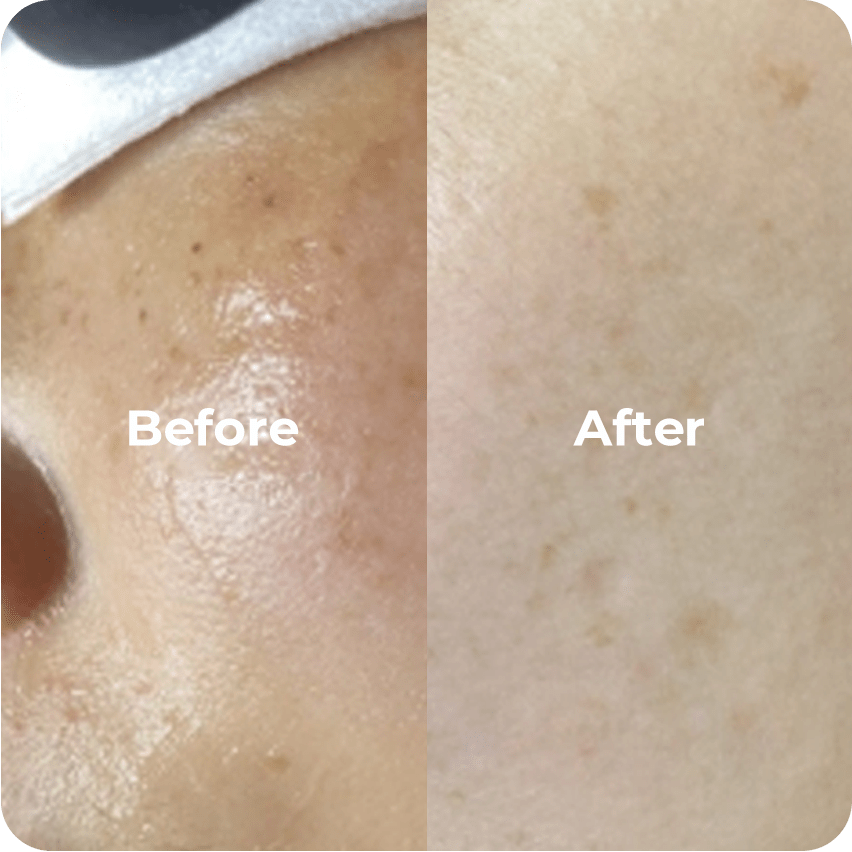
Why a clear framework matters
When faced with persistent concerns—texture, laxity, or uneven tone—clinicians and patients need a reproducible decision path rather than a scatter of options. A structured approach reduces harm, speeds recovery, and clarifies expectations for any skin rejuvenation treatment. The COVID‑19 pandemic highlighted this: remote consultations and limited clinic access made triage and prioritisation essential for safe care delivery. A framework helps translate examination findings into an evidence‑centred plan that fits a patient’s lifestyle and access to resources.
The four-step framework: assess, match, stage, review
Start with these steps to keep choices rational and repeatable.
1) Assess: determine skin type (oily, dry, sensitive), phototype, and core concerns such as scarring or photoageing. 2) Match: select an energy or topical modality that targets the key pathology — for example, fractional laser or microneedling for collagen induction, topical retinoids for epidermal turnover. 3) Stage: sequence treatments to lower risk (non‑ablative before ablative; topical prep before invasive procedures). 4) Review: set measurable outcomes and timepoints for review, and document any adverse events.
Mapping common modalities to skin types and indications
Not all skin reacts the same to energy devices or chemical agents. Use the framework to map likely response and risk.
• Fractional laser (indicated for textural irregularity and deeper photodamage) — more predictable on lighter phototypes; higher risk of post‑inflammatory hyperpigmentation in higher Fitzpatrick skin types. • Microneedling and collagen induction therapy (useful for acne scarring and lines) — generally safe across skin types when technique and needle depth are adjusted. • Chemical peel (varying depths) — superficial peels are broadly tolerable; medium and deep peels require careful staging and antiviral prophylaxis where indicated. • Platelet‑rich plasma (PRP) and topical protocols can augment repair and are often used to enhance recovery.
Natural options, adjuncts, and when to combine
“Natural” approaches—botanical actives, gentle enzymatic peels, dermal patches—can be appropriate for maintenance or for patients avoiding procedural energy. They are rarely curative for deep texture or laxity but support barrier function and pigmentation control. When combining modalities, plan intervals to allow for inflammation to settle; for instance, use topical brighteners and retinoids to optimise results before a staged energy procedure. For a concise review of non‑procedural choices, consider evidence and patient preference within the context of natural skin rejuvenation treatments.
Common mistakes and pragmatic safety checks
Clinicians often rush to the most active option without full staging or patient education. Mistakes include inadequate viral screening before ablative procedures, ignoring Fitzpatrick phototype when choosing laser settings, and failing to set measurable goals. A practical safety checklist: confirm medical history and medications, document baseline photos, set realistic timelines for recovery, and provide written post‑procedure instructions. — And remember: patient adherence to post‑procedure sun protection is as influential on outcomes as the device choice.
Three golden rules for selecting strategies
1) Match intent to mechanism: choose treatments that specifically address the pathological layer—epidermal issues respond to topical agents and light peels; dermal problems need collagen‑stimulating approaches. 2) Prioritise safety by phototype and comorbidity: lower energy, staged sessions, and antiviral prophylaxis when indicated reduce complications. 3) Define measurable endpoints: improvement in pore size, percentage reduction in scar depth, or validated patient‑reported outcome scores—these metrics make review objective and guide retreatment timing.
Putting the framework into practice
Apply the four steps to a typical scenario: a patient with moderate acne scarring and Fitzpatrick IV. Assess (scarring depth, active acne), Match (microneedling with PRP or low‑fluence fractional laser), Stage (treat active acne first, begin microneedling sessions spaced six weeks apart), Review (photos and scar grading at three and six months). This process reduces unpredictability and clarifies consent.
For clinicians and teams who value reproducible, patient‑centred pathways, the framework helps turn choices into outcomes. Trust frameworks developed from practical experience and clinical evidence—because consistency builds better results for patients and practices. ENZOEYS.
Renewal.